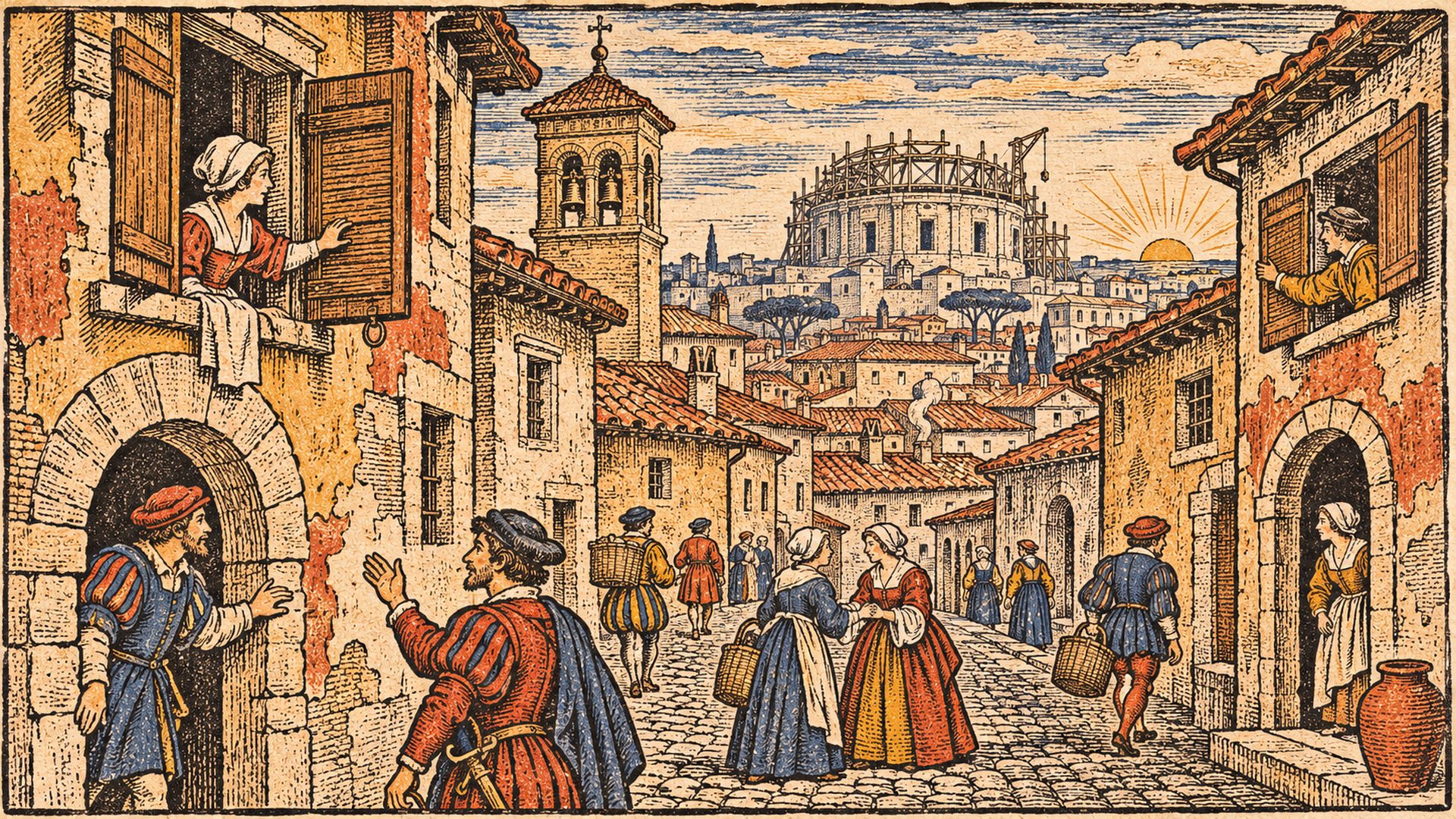
On Thursday, 4 October 1582, people in Rome went to bed. When they woke up, it was Friday, 15 October, and ten dates had been left out of the calendar.
Nobody lost any time. Pope Gregory XIII had ordered the calendar corrected, and only the names of the days changed. Britain made the same jump in 1752, skipping eleven days, which is why George Washington has two birthdays.
The reason goes back to a calendar that was a few minutes too long, and to a spring festival that was slowly drifting out of spring.
Why the old calendar drifted
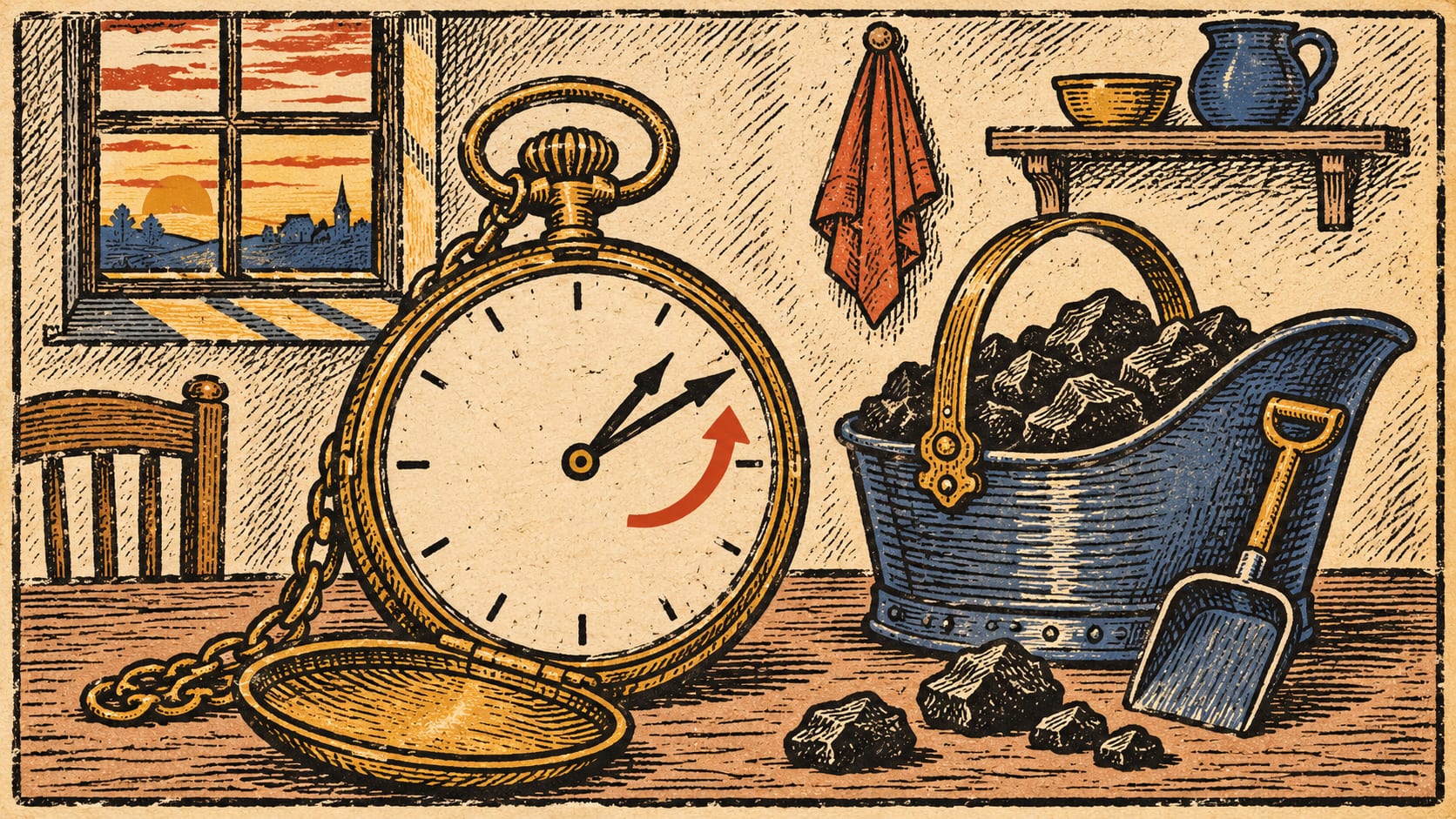
For more than sixteen hundred years, Europe used the calendar of Julius Caesar. It gave every year an average of 365 and a quarter days. The real trip around the Sun is about 365.2422 days, which is roughly eleven minutes shorter.
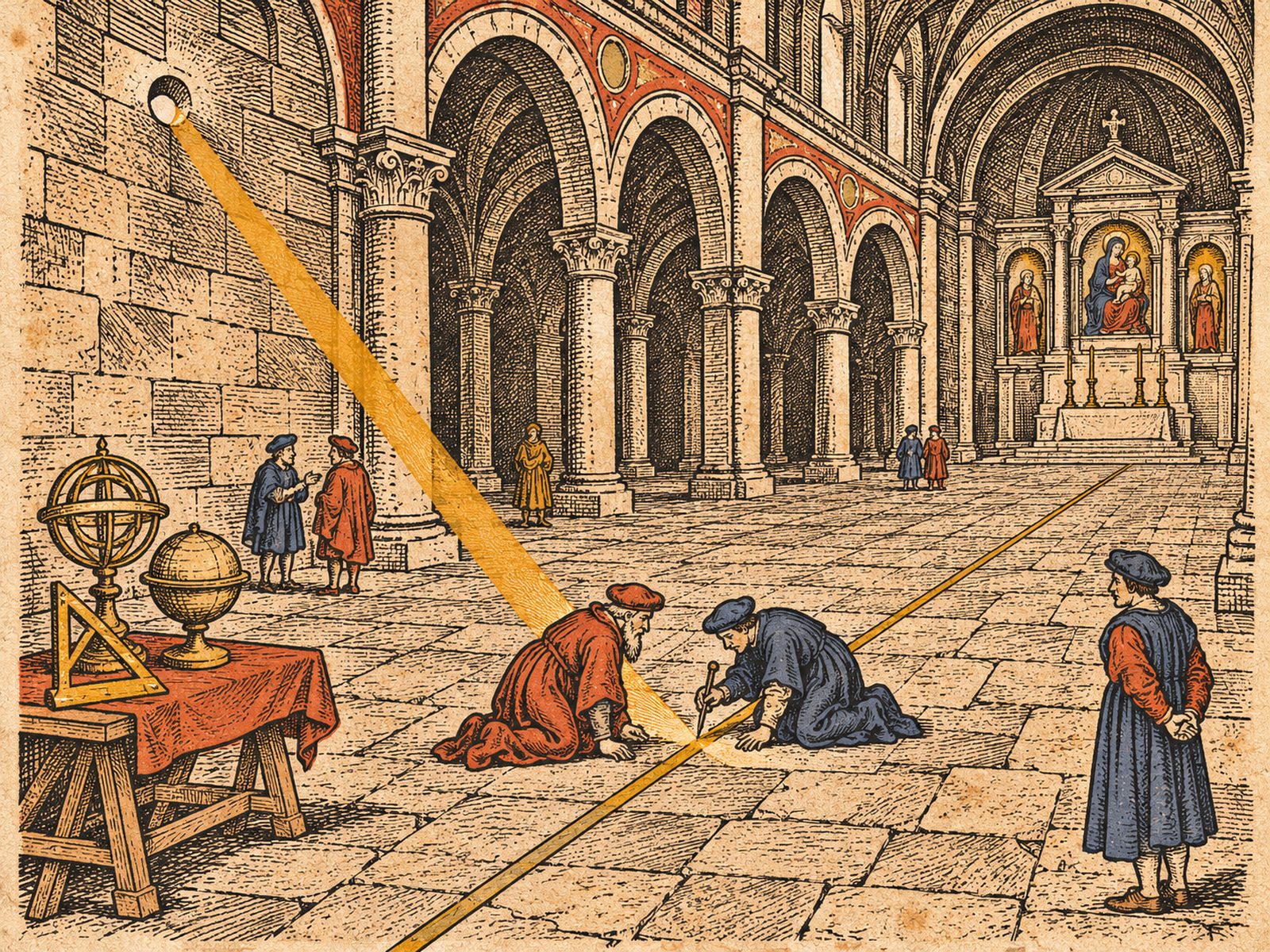
Eleven minutes is nothing in one year. Over the centuries, it adds up to about one whole day every 128 years. That figure is an estimate, because sources round it slightly, but the pattern is steady: the calendar ran a little behind the Sun, and the gap kept growing.
By 1582, the calendar had slipped about ten days. The spring equinox, the day of equal light and dark, was arriving ten days before the date the calendar assigned to it.
Why a few days mattered: Easter
The date mattered because Easter is worked out from the spring equinox. The Church's rule looked back to the Council of Nicaea in the year 325 and treated 21 March as the date of the equinox. Easter is set as the first Sunday after the first full moon after that equinox.
Left alone, the calendar's 21 March would keep moving away from the real spring equinox, and Easter would keep drifting later into the year. The bull that fixed the problem names the proper celebration of Easter as its reason.
One caution on Nicaea: 21 March was the rule's date for the equinox. It was a convention, not a measurement of where the Sun really was in the year 325.
Who fixed it
The plan came from Aloysius Lilius, a doctor of arts and medicine. His brother Antonio took the book to the Pope. A commission reviewed it, and the Jesuit astronomer Christopher Clavius expanded the ideas into a long, closely argued volume and defended them in print.
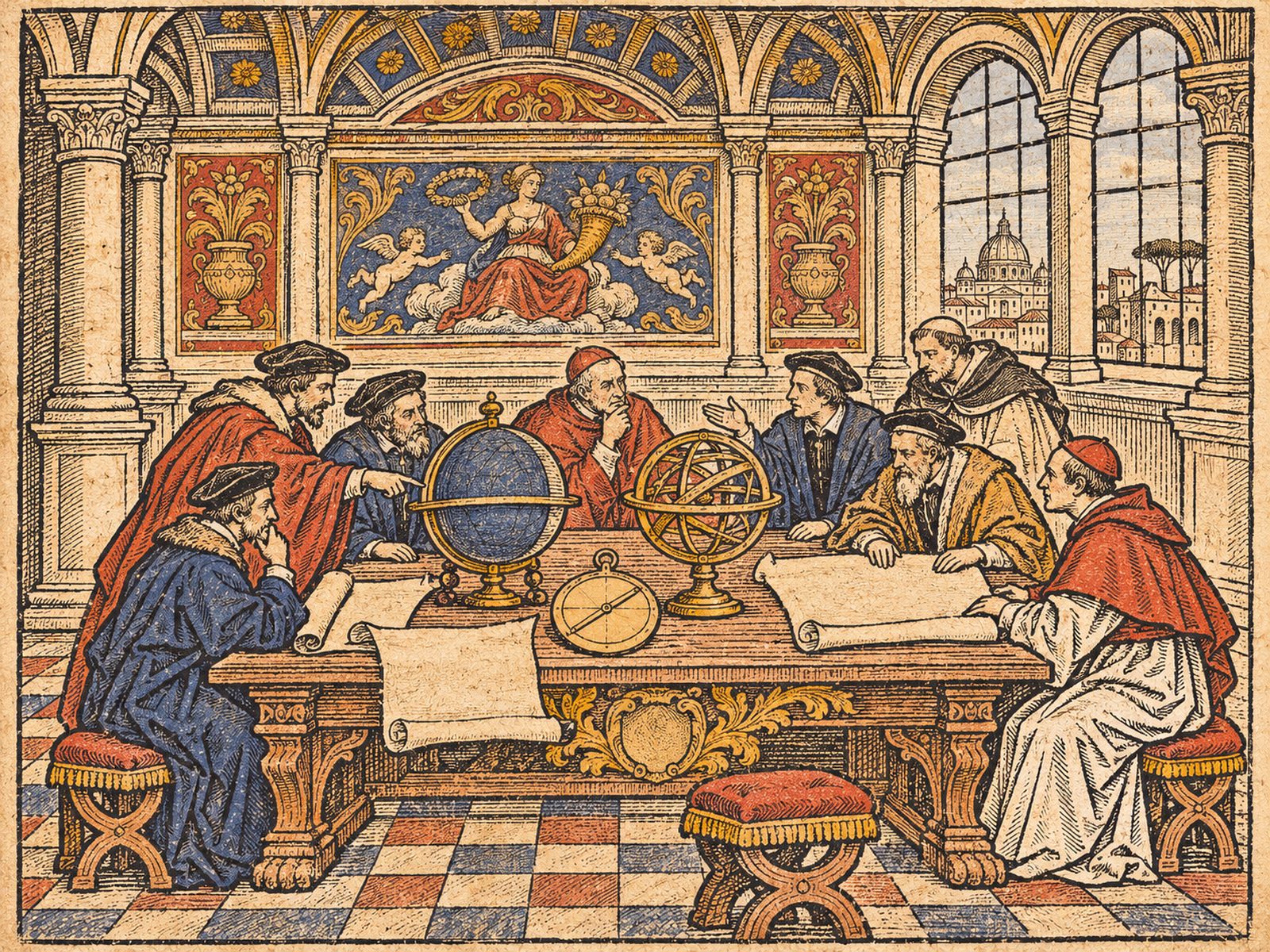
So, this was a team effort, not one genius. Lilius devised it, Antonio carried it to Rome, and Clavius explained and defended it.
On 24 February 1582, Pope Gregory XIII signed the order, a papal bull called Inter gravissimas. The bull's own year clause reads 1581, because it counted the year from 25 March. The modern date is 24 February 1582.
The two changes in the bull
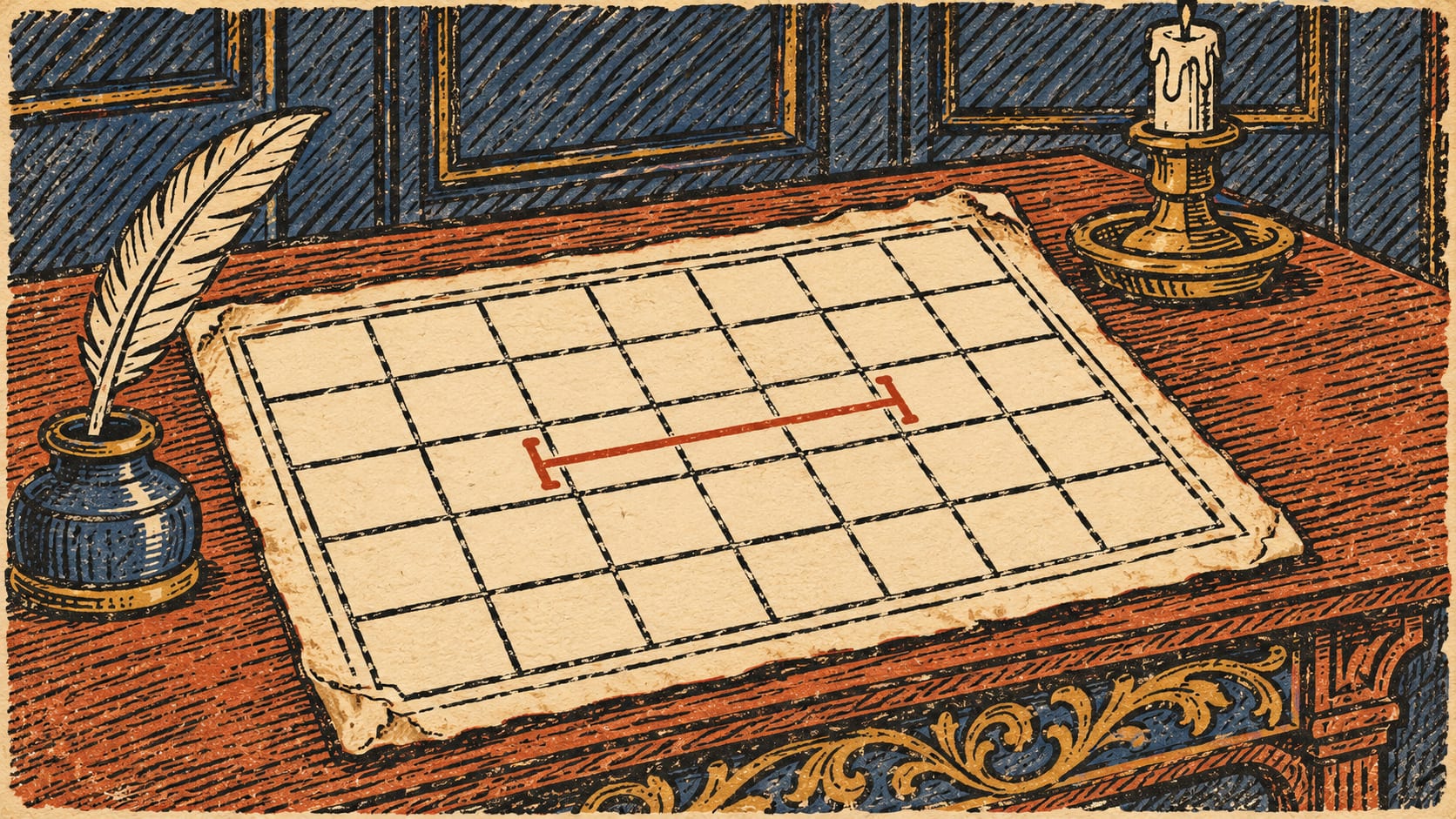
The bull did two things. First, it removed ten days, 5 to 14 October 1582, to put the equinox back near 21 March. That is why the sequence reads 4 October, then 15 October. The weekdays did not skip: Thursday was still followed by Friday.
Second, it changed the leap-year rule so the drift would not return. A century year is a leap year only if it divides by 400. That is why 1600 and 2000 had a 29 February, and why 1700, 1800 and 1900 did not.
Who switched when
Spain, Portugal, much of Italy and the Polish-Lithuanian Commonwealth made the jump that October, though Italy was not uniform and Poland was not either. France followed in December, going from 9 December straight to 20 December.
Protestant countries saw the new calendar as a Catholic innovation and refused it. For almost two hundred years, Europe ran on two calendars at once. Cross a border, and the date changed.
When countries skipped days
- 4 to 15 October 1582
Spain, Portugal, much of Italy and Poland-Lithuania skip ten days
- 9 to 20 December 1582
France skips ten days
- 30 February 1712
Sweden adds a day to return to the Julian calendar
- 2 to 14 September 1752
Britain and its American colonies skip eleven days
- 17 February to 1 March 1753
Sweden switches, skipping eleven days
- 31 January to 14 February 1918
Russia skips thirteen days
- 15 February to 1 March 1923
Greece skips thirteen days for civil use
Sweden and its February 30
Sweden tried to switch slowly. The plan was to drop every leap day from 1700 to 1740, so the eleven extra days would disappear over forty years. Sweden skipped the leap day in 1700, then kept the leap days of 1704 and 1708 by mistake.
The plan collapsed, and Sweden went back to the Julian calendar. To catch up, 1712 got an extra day: 30 February. That was a step back toward the old calendar, not forward to the new one. Sweden finally switched in 1753, jumping from 17 February to 1 March.
Why Britain skipped eleven days, not ten
By 1752, Britain had waited so long that the gap had grown to eleven days. The year 1700 had been a leap year in the old calendar and not in the new one, which added a day.
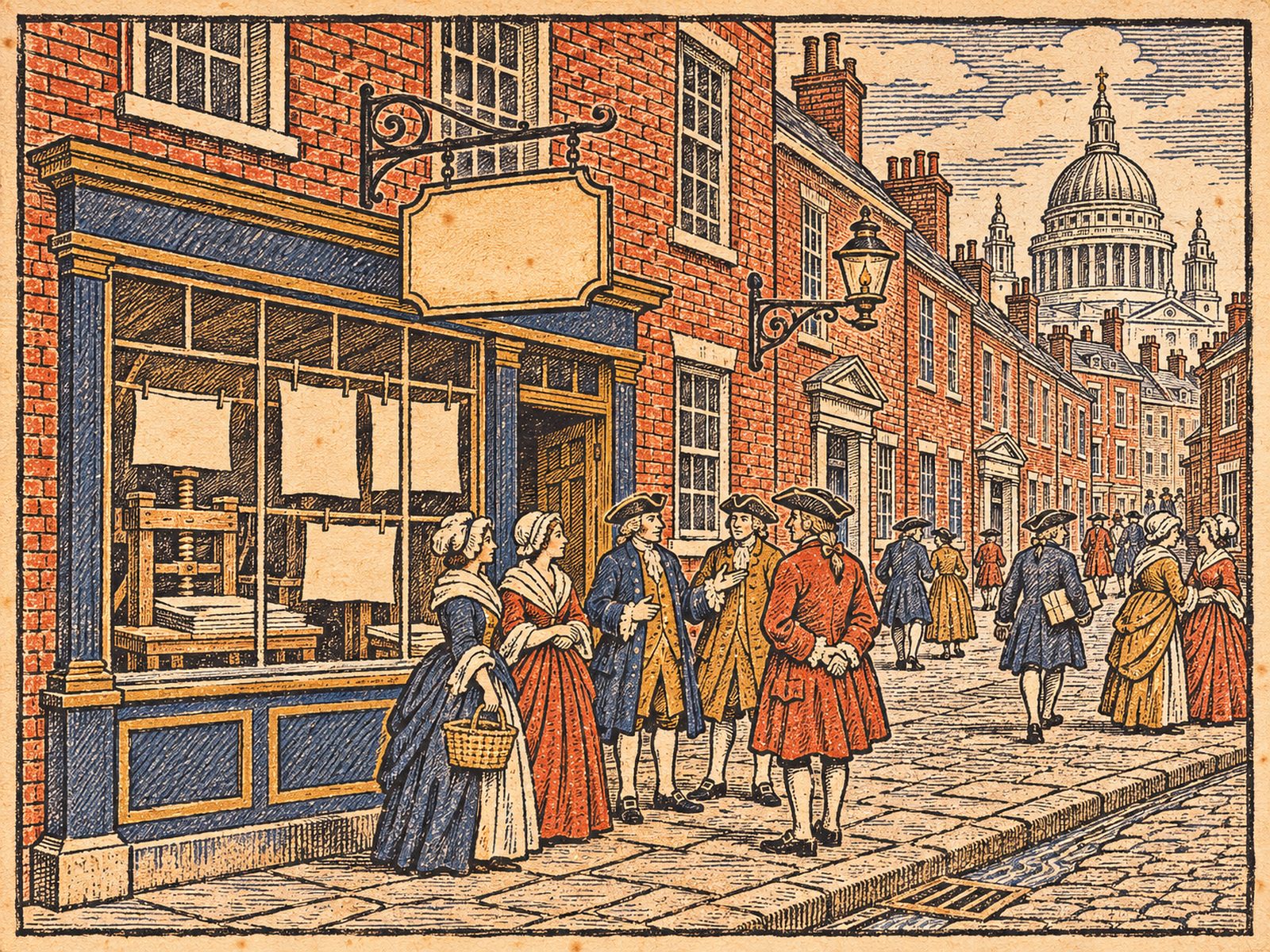
The Calendar (New Style) Act 1750, often called Chesterfield's Act, covered Great Britain and its dominions. Under it, 2 September 1752 was followed by 14 September. The skipped dates were 3 to 13 September, and the American colonies jumped with Britain.
The year that started in March
The same law moved New Year's Day. In England, the legal year had begun on 25 March. The Act ended that after the last day of December 1751, and the next legal year began on 1 January.
So, 1751 was a short year. It ran from 25 March to 31 December, 282 days. That is the legal year only. Many people already treated 1 January as New Year's Day in daily life, and Scotland had moved its year start in 1600.
Washington's two birthdays
This explains why George Washington has two dates. He was born on 11 February 1731 by the old calendar. When Britain and its colonies switched in 1752, his birthday shifted to 22 February 1732. The day moved eleven days, and the year moved too, because February had counted as the end of the old year when the year started in March.
Mount Vernon records both dates. The one we celebrate is the new-style date.
Did crowds riot for their eleven days?
You may have heard that angry mobs rioted in 1752, shouting "Give us our eleven days." The story is probably a myth. The slogan comes mainly from a satirical painting by William Hogarth, made around 1755, about an Oxfordshire election in 1754. A banner with the slogan lies on the floor in the picture.
That makes it a joke about an election, not a record of 1752 street protests. The historian Robert Poole argued in 1995 that the riots were a later legend, built on that satire rather than on events of 1752.
There were real worries. People feared for rent, interest and payment dates, and quarter days for money owed were moved to cope with it. But a mob demanding its lost days is not documented.
The tax year that still carries 1752
One trace of the change is still on the books. The United Kingdom's tax year starts on 6 April. A 1977 written answer in Parliament said the date has its origin in the calendar reform of 1752.
The Treasury moved its quarter days forward by eleven days so payments would run their full term. Many accounts say one more day was added in 1800 to reach 6 April, though the details vary.
Russia, Greece and the later switches
Some countries waited far longer. Russia's government decreed the change on 6 February 1918 (24 January in the old style). The day after 31 January became 14 February, and thirteen days were skipped.
That is why the October Revolution is remembered in November. The Bolsheviks acted on 25 October by the old Russian calendar, which was 7 November by the new one.
Greece changed for civil purposes in 1923. The last old-style day was 15 February, and the next day was 1 March, again thirteen days. The Church of Greece followed in 1924, and many Orthodox churches still use the Julian calendar for feast days. Greece is often called the last European country to switch, but that depends on how Turkey is counted.
Did we lose any time?
No. Nobody aged ten days overnight, and no years vanished. The Sun kept its schedule, and only the labels on the days changed. Teresa of Ávila shows how neat the seam was: she died on the night of 4 October 1582, the next day was 15 October by the new calendar, and that remains her feast day.
A doctor's arithmetic, a Pope's signature and eleven slow minutes a year renamed the calendar, and the world followed, one country at a time.
Sources
- Inter gravissimas, English translation, Wikisource
- Gregorian calendar and Julian calendar articles, Wikipedia
- "Gregory XIII Reforms Calendar", EBSCO Research Starters
- Calendars Through the Ages, WebExhibits
- Calendar page, Cambridge University Department of History and Philosophy of Science
- "Inter gravissimas, or Why the Pope Is Never Late for Tea", Library of Congress Law Library blog
- "6 Things You May Not Know About the Gregorian Calendar", History.com
- Teresa of Ávila entry, Catholic Encyclopedia, New Advent
- Calendar (New Style) Act 1750, legislation.gov.uk
- The Calendar FAQ, Claus Tondering
- "Give us our eleven days!", Robert Poole, Past & Present (1995)
- Washington's Youth, Mount Vernon
- Financial year written answer, Hansard, House of Commons (1977)
- "Why the UK tax year starts on April 6", The Conversation
- Introduction of a New Calendar, Seventeen Moments in Soviet History, Michigan State University
- "Today in History: Feb. 14", The Moscow Times
Watch the full story on the Flashback Fables YouTube channel, and send it to someone who would love it.