

Stories
Fifty true stories from history, in ten subjects. Pick a subject, or start with the newest.
- Calendars and Time5 stories
- Disasters5 stories
- City Life and Public Health5 stories
- Strange Wars5 stories
- Hoaxes and Myths5 stories
- Mysteries and the Lost5 stories
- Accidental Inventions5 stories
- The Ancient World5 stories
- Words with a History5 stories
- Deals and Decisions5 stories
Calendars and Time
 Calendars and Time
October 1582 Missing Days: Why 10 Days Vanished, Then 11
Thursday 4 October 1582 came before Friday 15 October. Why ten days vanished, who switched when, why Britain skipped eleven in 1752, and why nobody lost time.
 Calendars and Time
How Daylight Saving Time Started: Germany, 1916, and Coal
Daylight saving time began as a wartime fuel measure: Germany moved clocks in April 1916, Britain and the US followed. See who proposed it and why it lasted.
 Calendars and Time
Why We Have Leap Years and Sweden's 30 February in 1712
Leap years fix a calendar that runs nearly six hours short each year. Sweden's dropped reform ended in a real 30 February in 1712. See how the rules work.
 Calendars and Time
Why George Washington Has Two Birthdays: The Calendar Switch
George Washington was born 11 February 1731 by the old calendar. See how Britain's 1752 switch moved it to 22 February 1732, and why we mark it on a Monday.
 Calendars and Time
Why Britain Skipped 11 Days in 1752: The Calendar Switch
Britain went from 2 September to 14 September in 1752, dropping eleven dates. See why the Calendar Act did it and what it changed for rent and birthdays.
Disasters
 Disasters
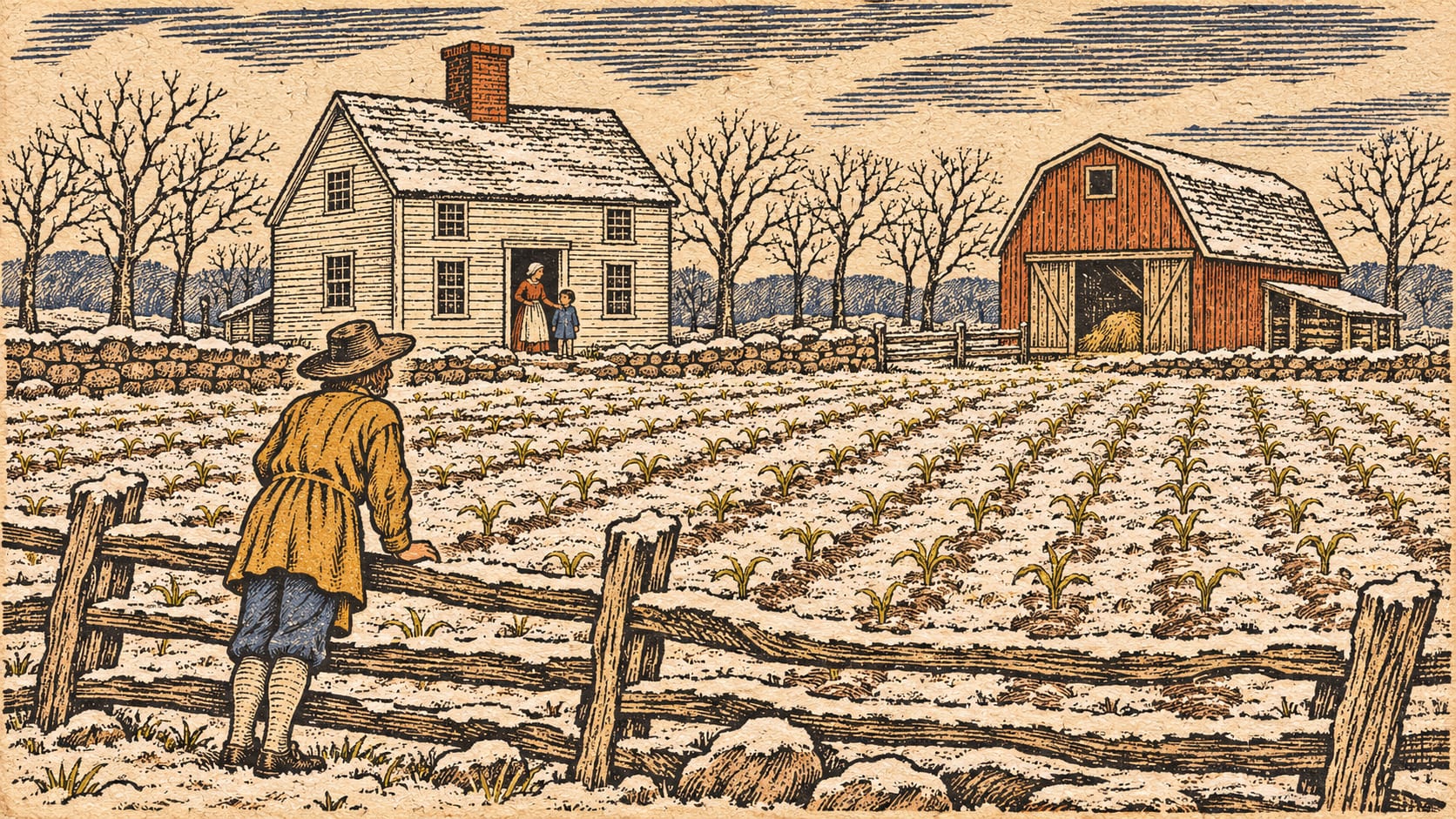
Year Without a Summer 1816: Tambora, Snow in June and Famine
Snow fell in New England on 7 June 1816 after Tambora erupted in 1815. See how a volcano cooled the north, hit harvests, and set the scene at Villa Diodati.
 Disasters
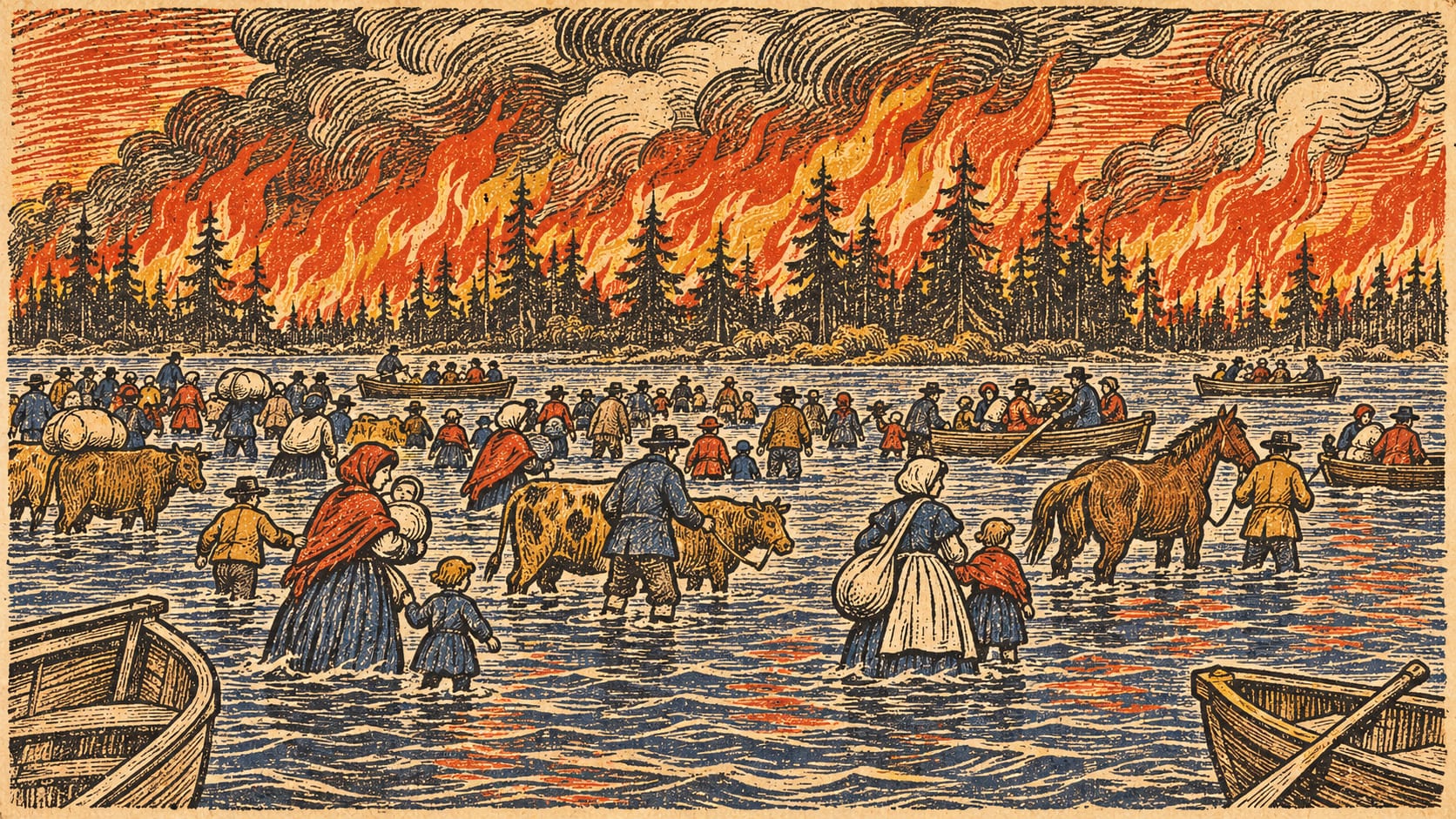
Peshtigo Fire 1871: America's Deadliest Wildfire and Its Toll
The Peshtigo fire hit Wisconsin on 8 October 1871 and killed an estimated 1,200 to 2,400 people. See how it spread, how people survived, and what remains.
 Disasters
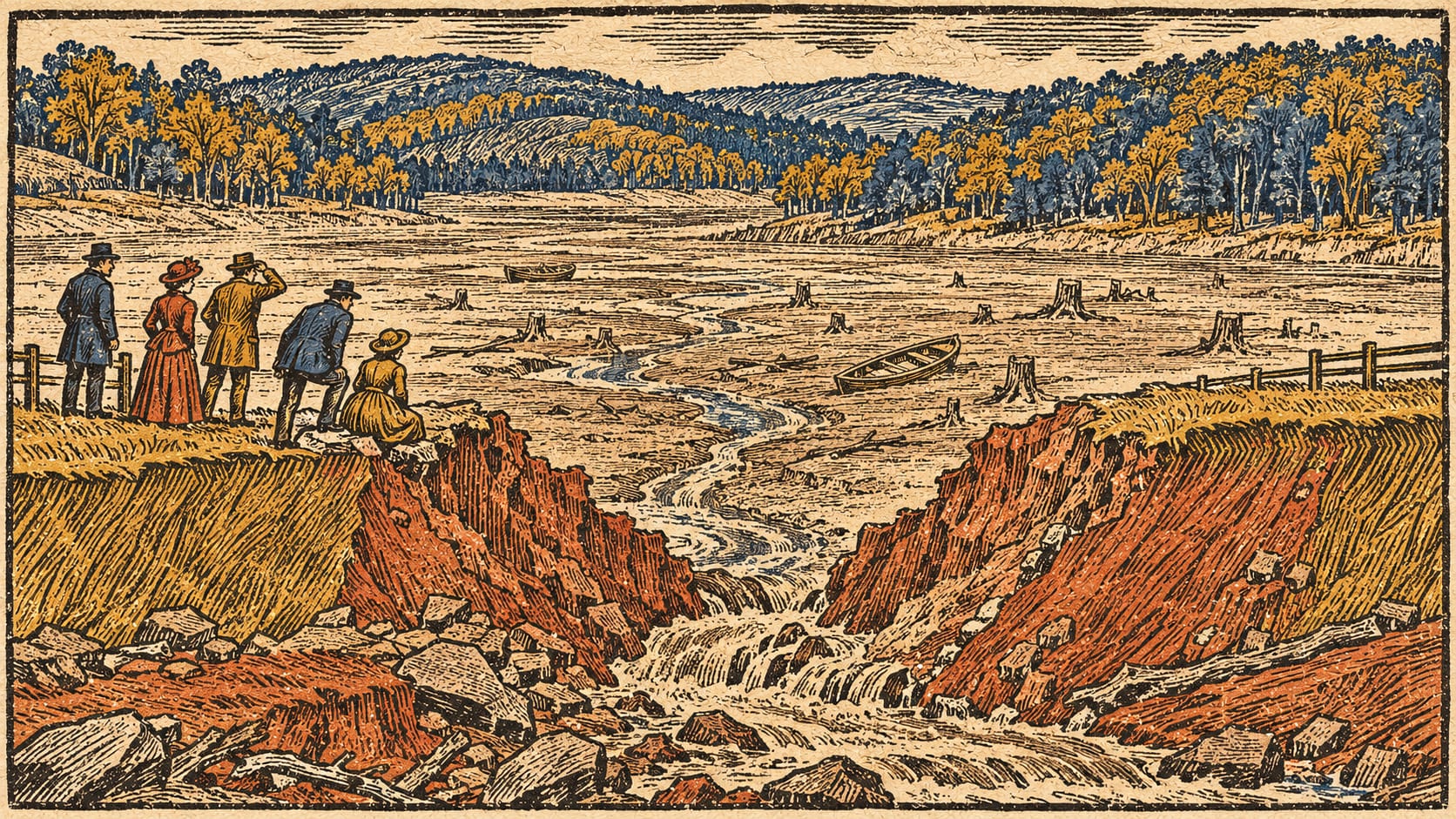
The Johnstown Flood of 1889: Why the South Fork Dam Failed
The Johnstown Flood killed 2,209 people on 31 May 1889 after the South Fork Dam broke. See the warnings, club changes, lawsuits and Red Cross relief work.
 Disasters
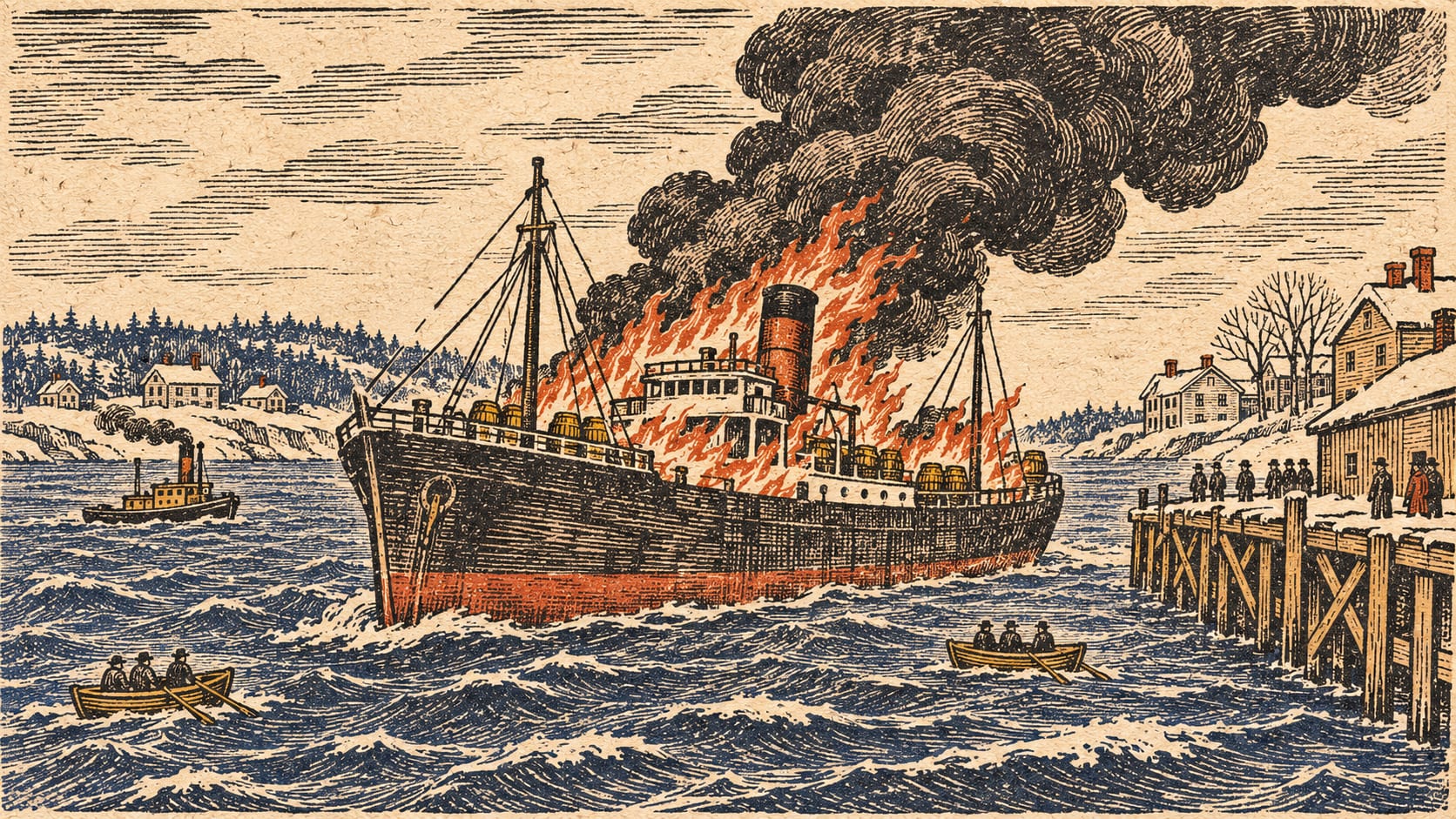
Halifax Explosion 1917: What Happened and How Many Died
The Halifax Explosion of 6 December 1917 left 1,782 known dead. See how two ships collided, what the blast did, who came to help, and what changed after.
 Disasters
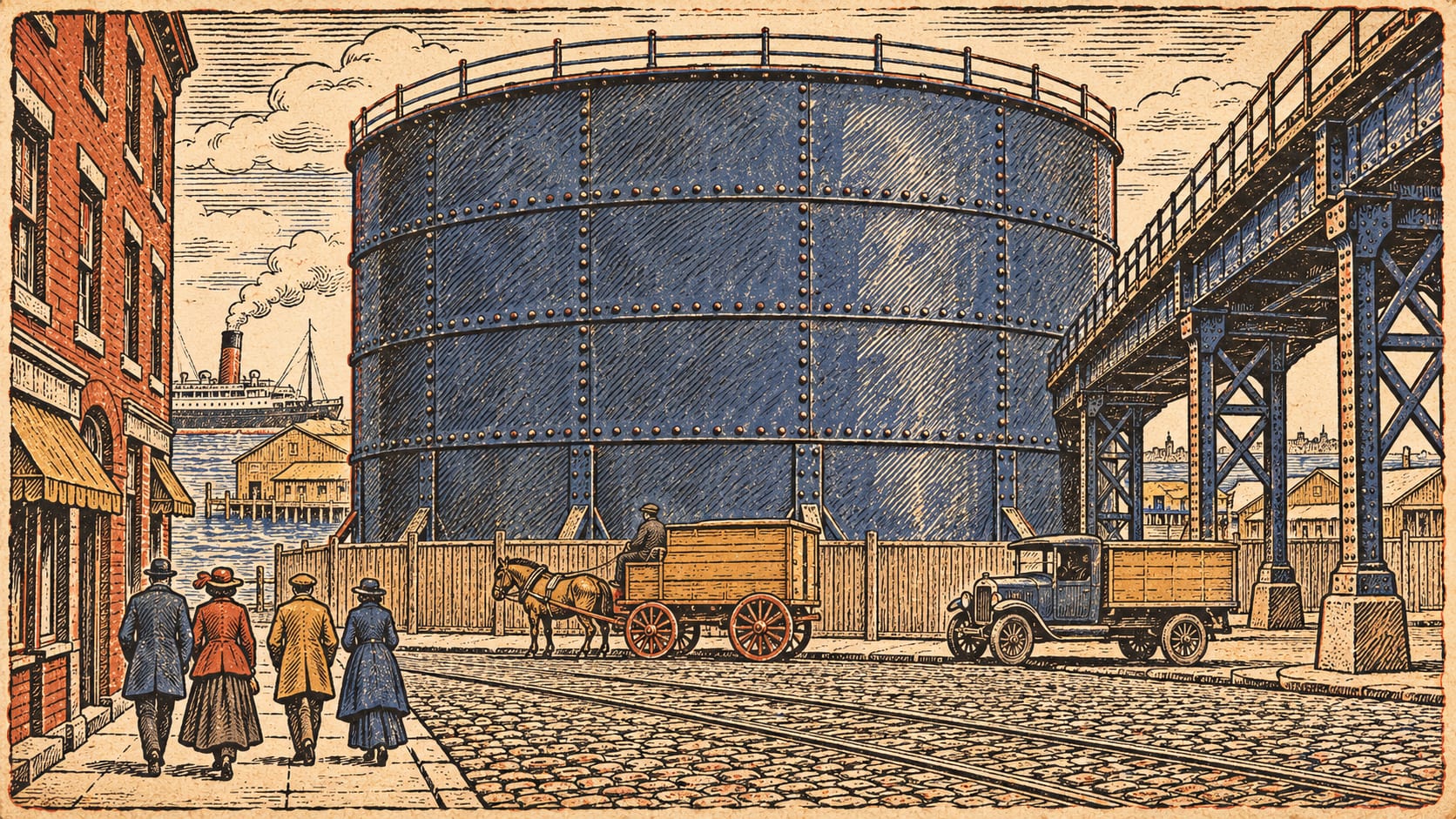
Great Molasses Flood 1919: What Happened, Who Died, and Why
The Great Molasses Flood hit Boston on 15 January 1919 and killed 21. See how the tank burst, who died, what the court decided and what marks the site today.
City Life and Public Health
 City Life and Public Health
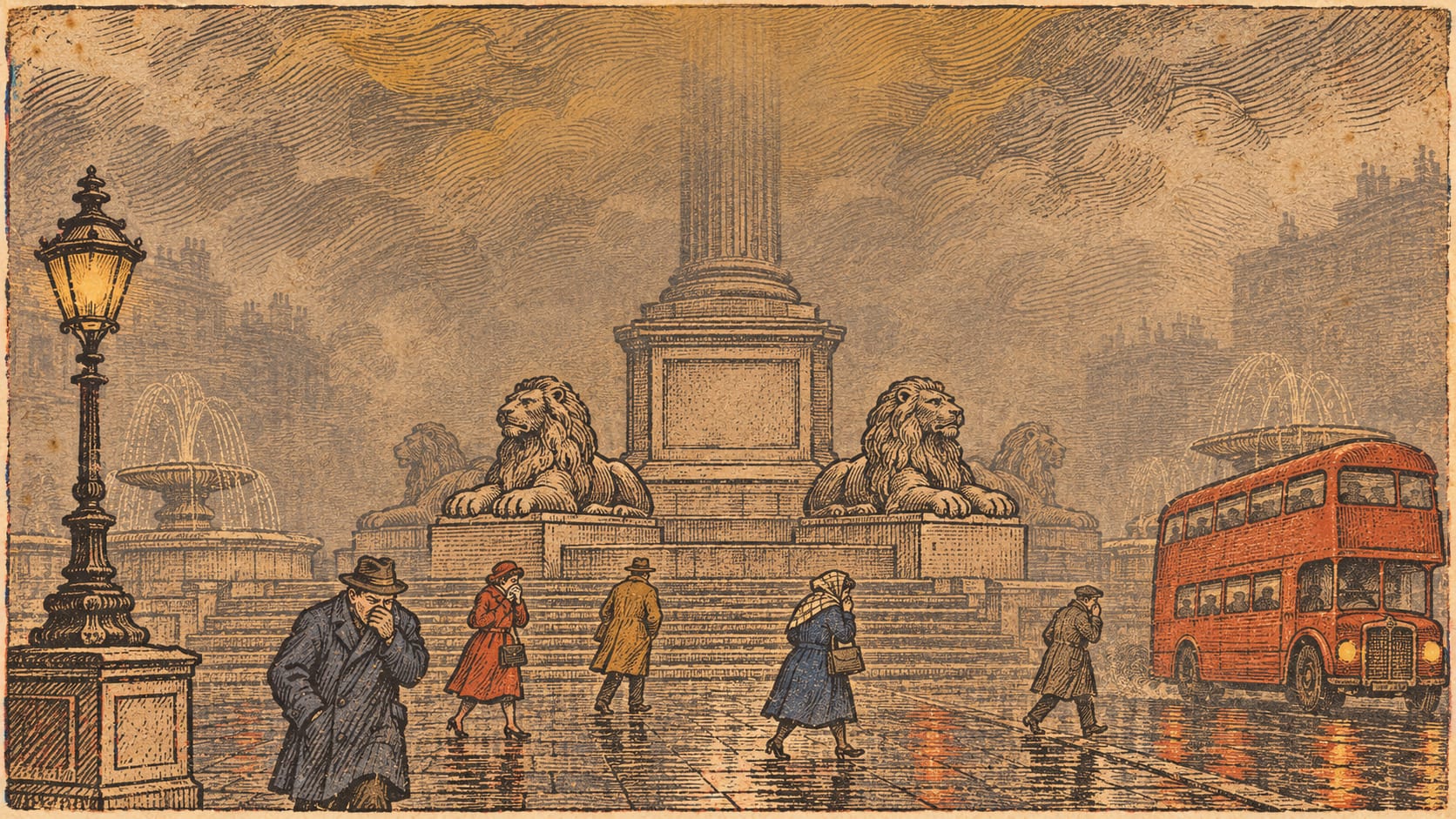
Great Smog of London 1952: Deaths, Causes and Clean Air Act
The Great Smog covered London from 5 to 9 December 1952. Excess deaths are put at about 4,000 early on and about 12,000 later. See the cause and the 1956 Act.
 City Life and Public Health
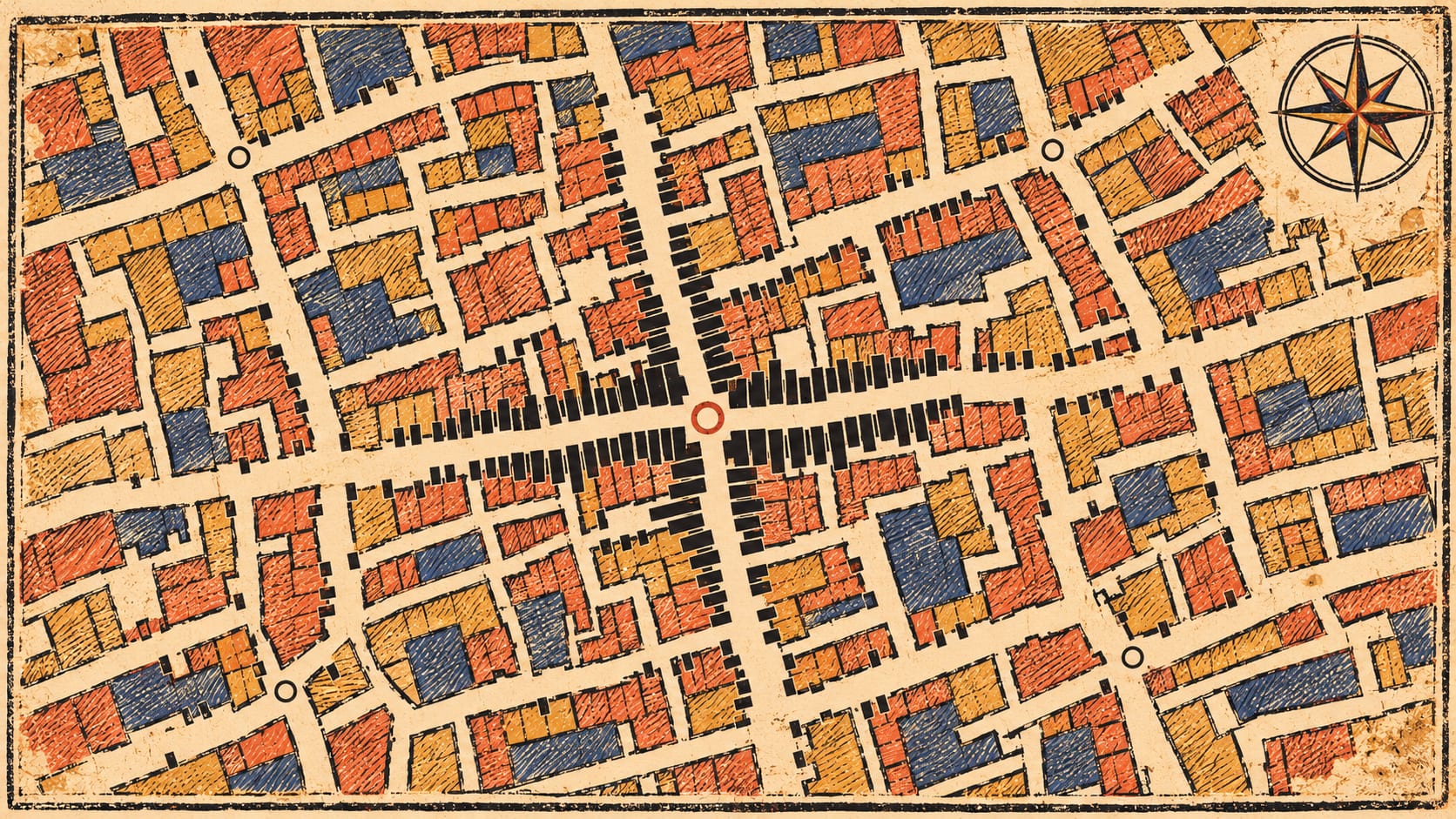
Broad Street Pump Cholera Outbreak, 1854: Snow and the Handle
About 500 people died in ten days near the Broad Street pump in Soho in 1854. See what John Snow did, who removed the handle, and what the cesspool showed.
 City Life and Public Health
Typhoid Mary: Who Mary Mallon Was and Why She Was Confined
Typhoid Mary was cook Mary Mallon, a healthy carrier of typhoid. See the outbreaks, her 26 years on North Brother Island and why historians still argue.
 City Life and Public Health
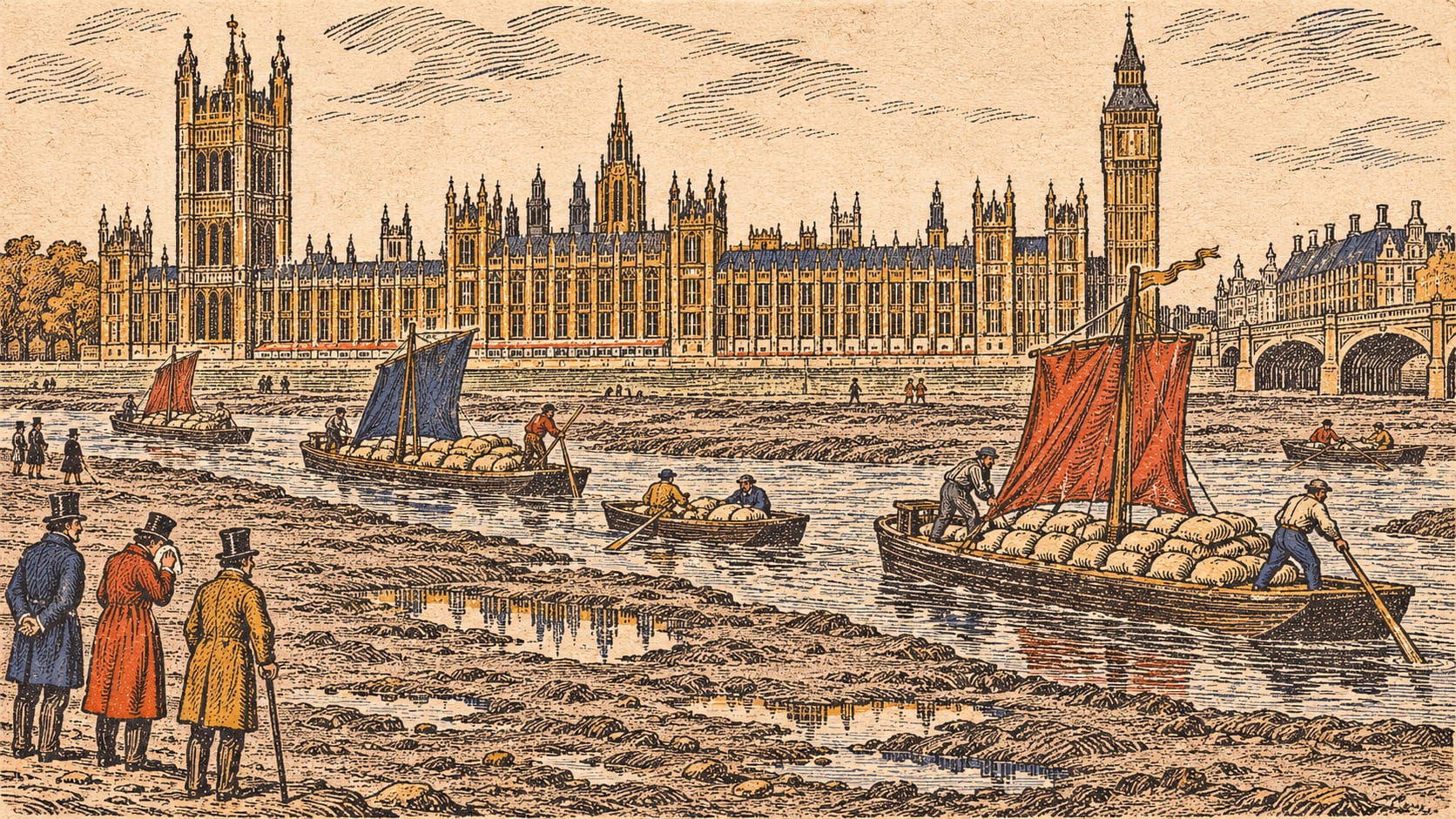
Great Stink of London 1858: Why Parliament Built Sewers
London's Great Stink of summer 1858 pushed Parliament to pass a sewer law in weeks. See what the smell did, who Bazalgette was, and what his sewers still do.
 City Life and Public Health
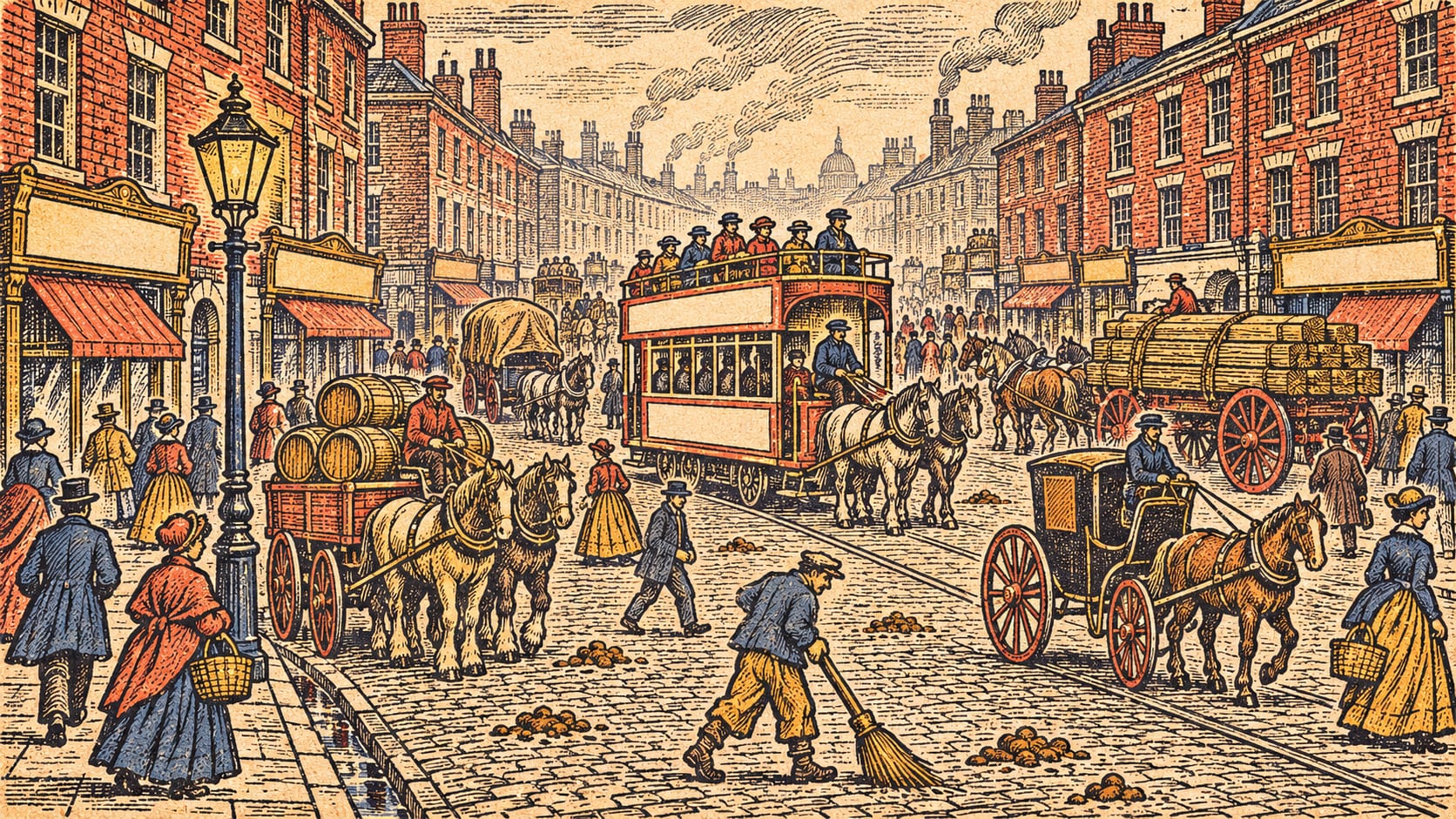
Great Horse Manure Crisis of 1894: London and New York Streets
London and New York had a real horse-manure problem in the 1890s. See the numbers, who cleaned it up, and what became of the famous nine-feet Times warning.
Strange Wars
 Strange Wars
Toledo War 1835: Why Ohio and Michigan Went to War Over a Map
The Toledo War of 1835 pitted Ohio against Michigan over 468 square miles. One deputy was stabbed, nobody died, and Michigan got the Upper Peninsula in return.
 Strange Wars
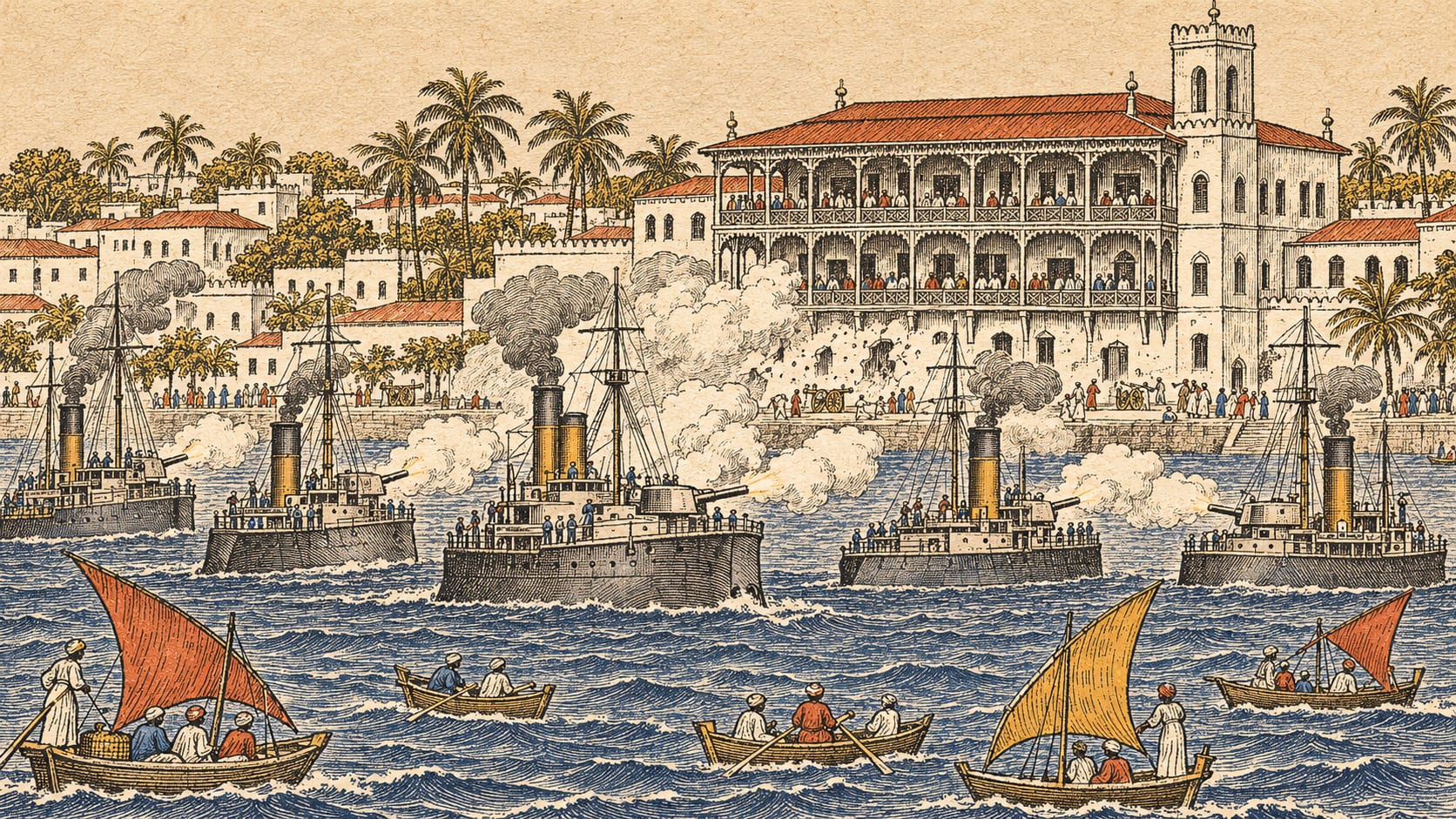
Anglo-Zanzibar War 1896: Why It Lasted 38 to 45 Minutes
The Anglo-Zanzibar War ended in under an hour on 27 August 1896 after Britain shelled the palace. See why it began, how long it lasted and what followed.
 Strange Wars
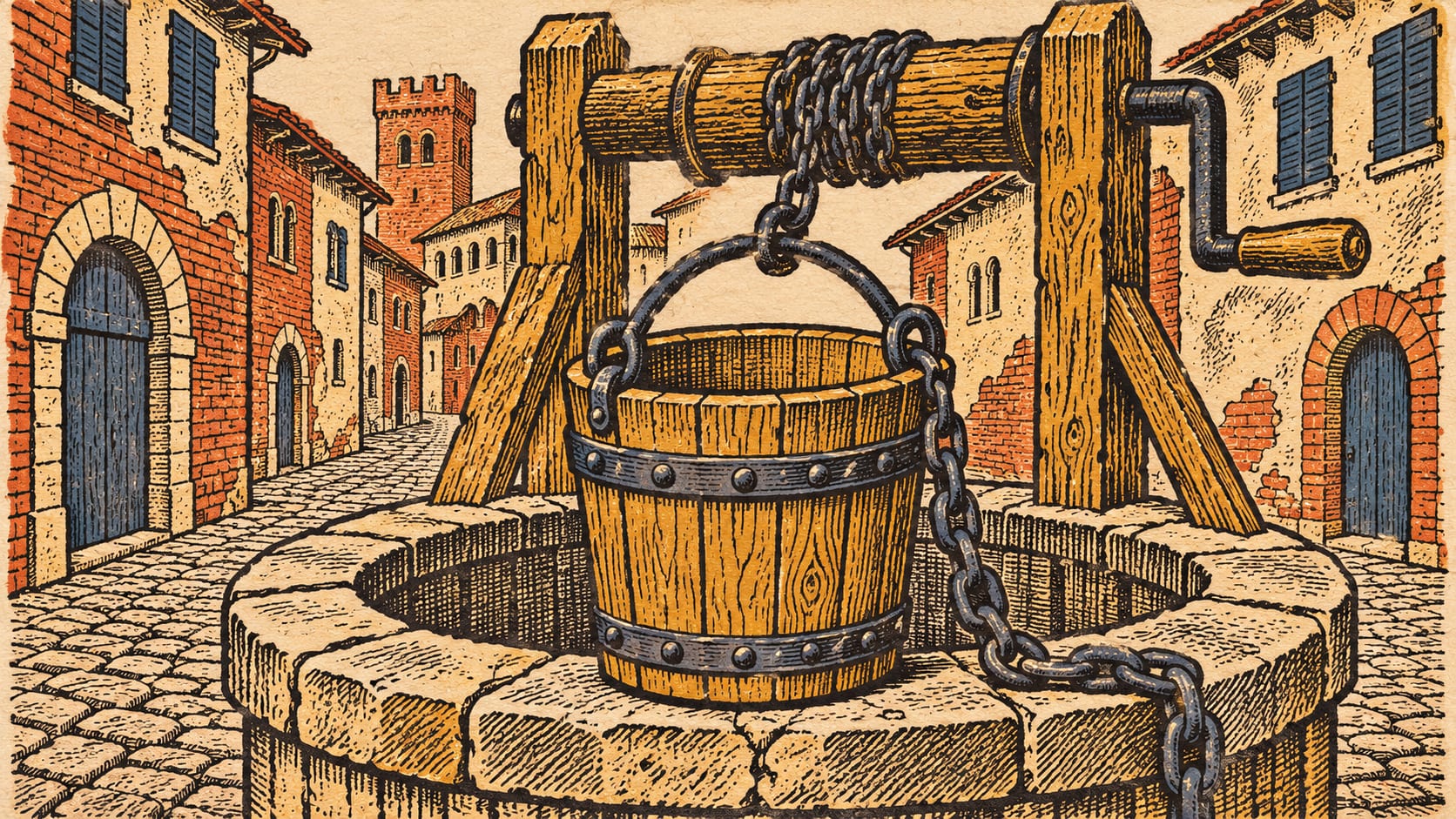
The War of the Bucket: Bologna, Modena and the Stolen Bucket
The Battle of Zappolino was fought on 15 November 1325. Learn how Modena beat Bologna, how a wooden bucket became a legend, and where the bucket is kept today.
 Strange Wars
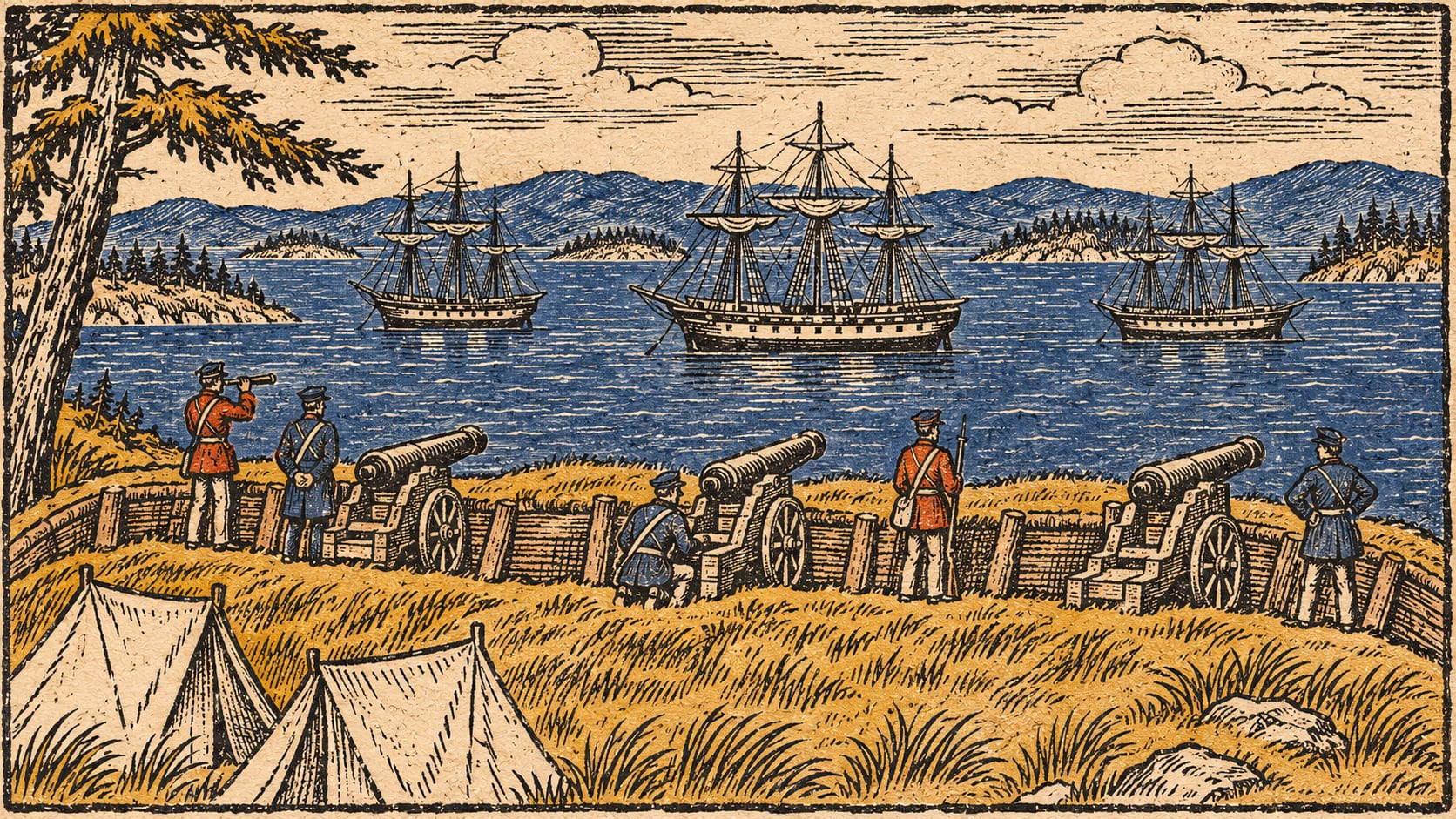
Pig War of 1859: How a Pig Nearly Started a War, and Who Won
A settler shot a pig on San Juan Island on 15 June 1859, and troops and warships followed. See who was there, who died, how it ended in 1872, and what remains.
 Strange Wars
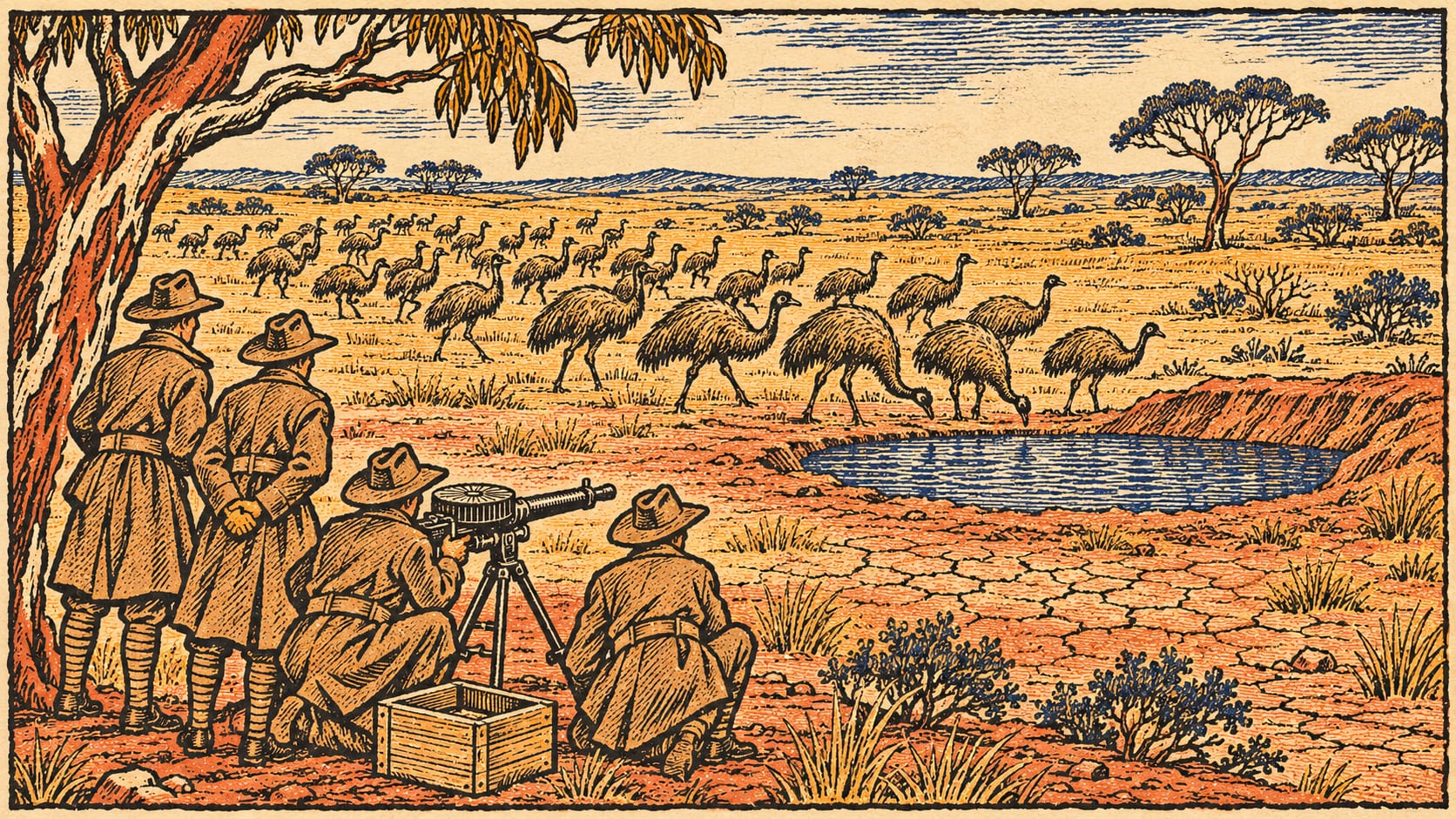
Great Emu War of 1932: Who Won and What Happened at Campion
In November 1932, three soldiers with two Lewis guns went after emus ruining Western Australian wheat farms. See how it went, the numbers and what came next.
Hoaxes and Myths
 Hoaxes and Myths
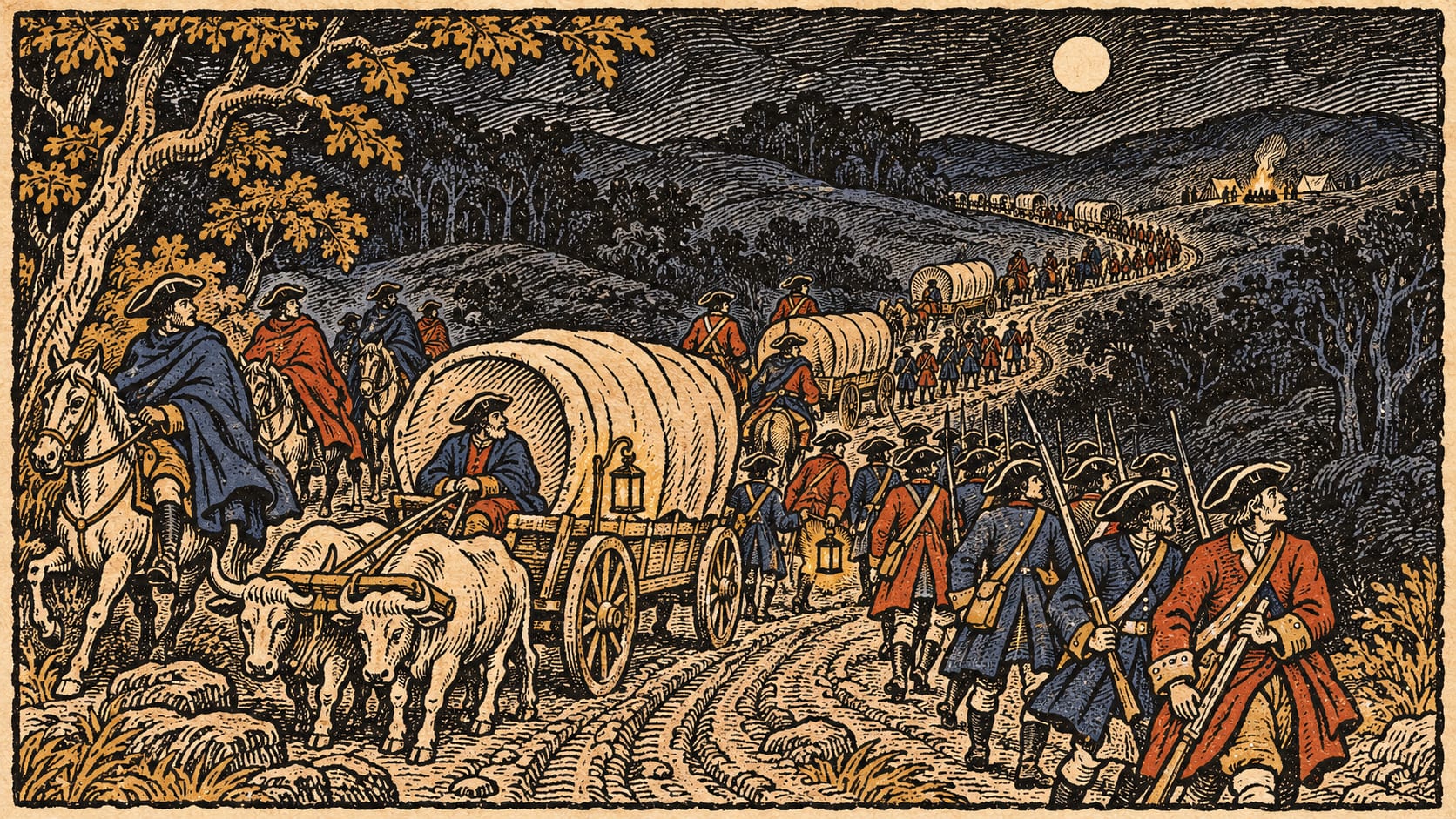
Battle of Karansebes: How an Army Fired on Itself in 1788
The Battle of Karansebes was a night panic in September 1788 when Austrian troops fired on each other. The toll is unknown; the brandy wagon is a later story.
 Hoaxes and Myths
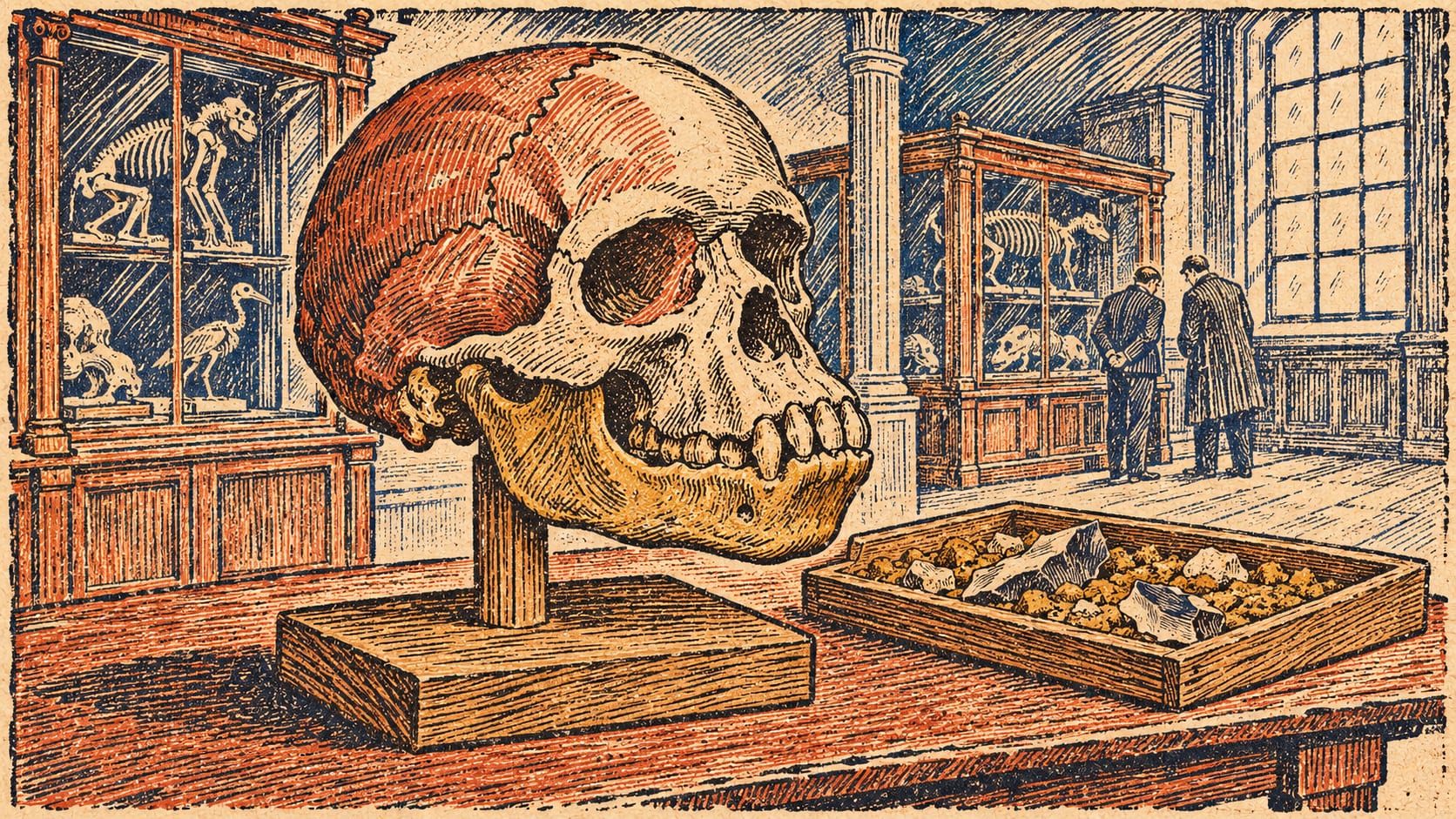
Piltdown Man Hoax: Who Made It and How Scientists Caught It
Piltdown Man was announced in London on 18 December 1912 and exposed in 1953. See what it was made of, how the tests caught it, and who most likely did it.
 Hoaxes and Myths
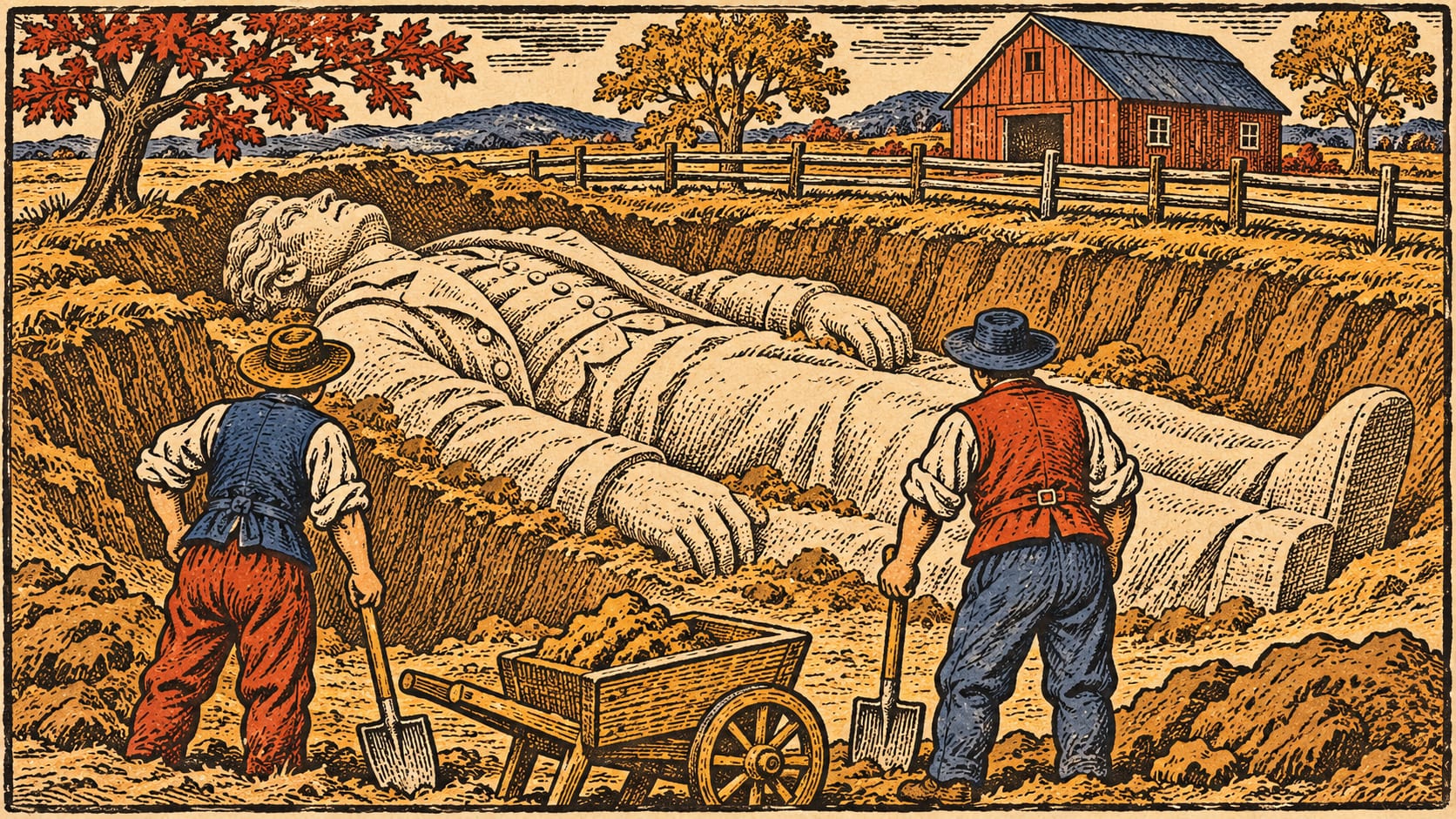
Cardiff Giant Hoax of 1869: Who Made the Stone Giant and Why
The Cardiff Giant was a carved gypsum figure dug up in New York on 16 October 1869. See who made it, how Barnum copied it, and where both giants are today.
 Hoaxes and Myths
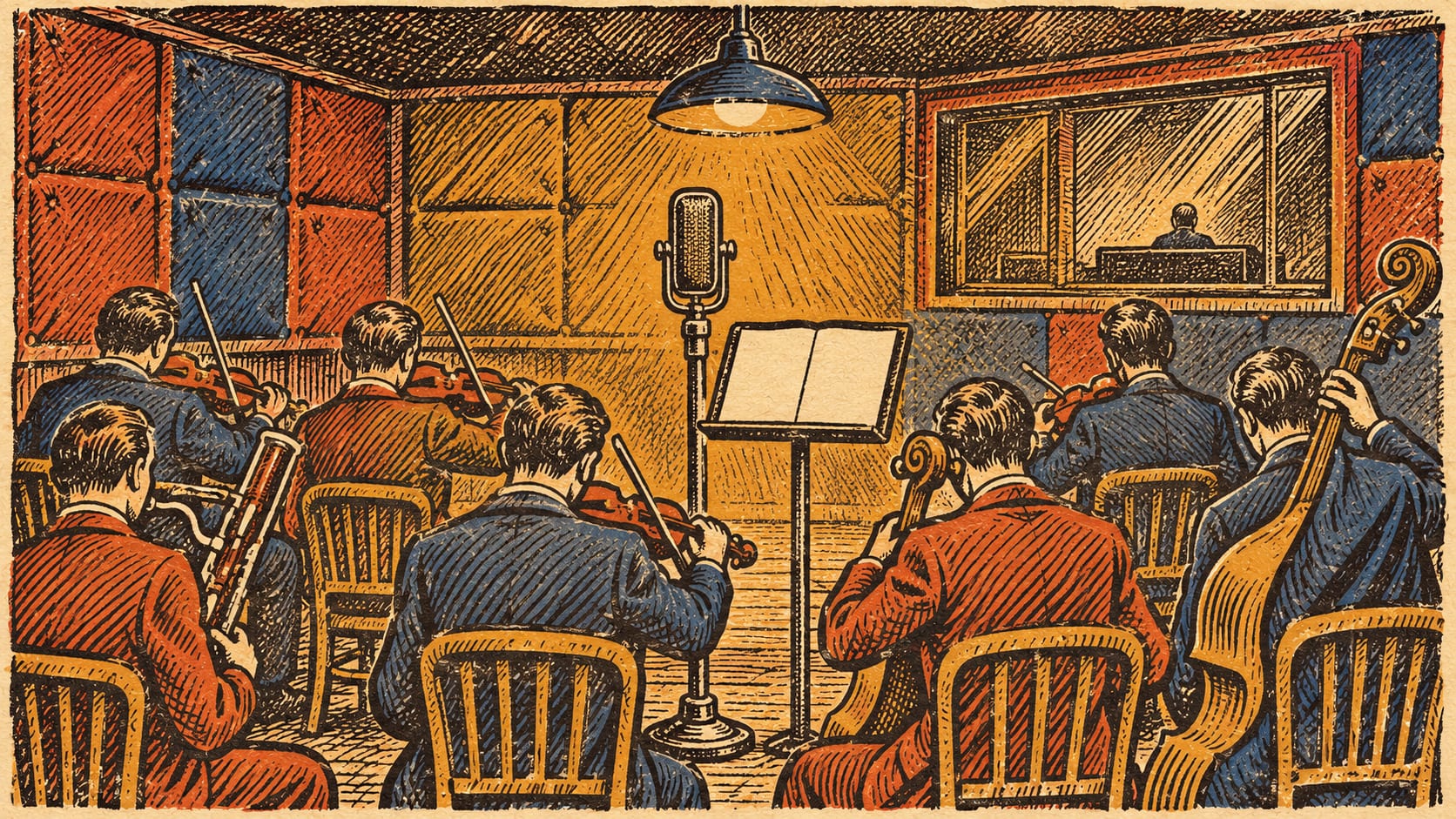
War of the Worlds Panic of 1938: Who Heard It, Who Feared
Orson Welles's War of the Worlds aired on 30 October 1938. See who heard it, how many were frightened, what the papers said, and the deaths in Quito, 1949.
 Hoaxes and Myths
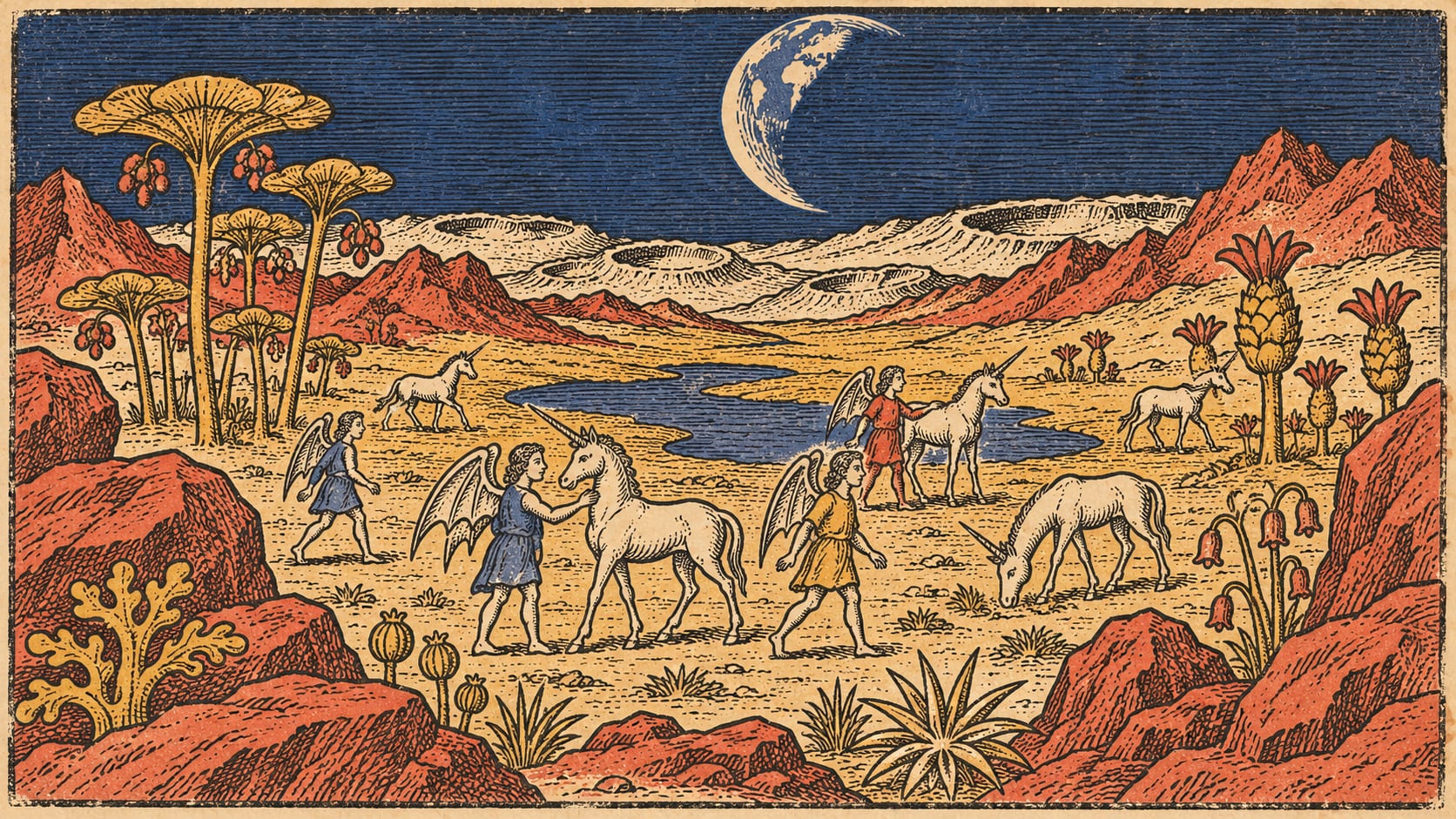
Great Moon Hoax of 1835: Bat-Men, The Sun and John Herschel
In August 1835 a New York newspaper reported bat-men on the Moon and named a real astronomer. See what The Sun printed, who wrote it, and how readers reacted.
Mysteries and the Lost
 Mysteries and the Lost
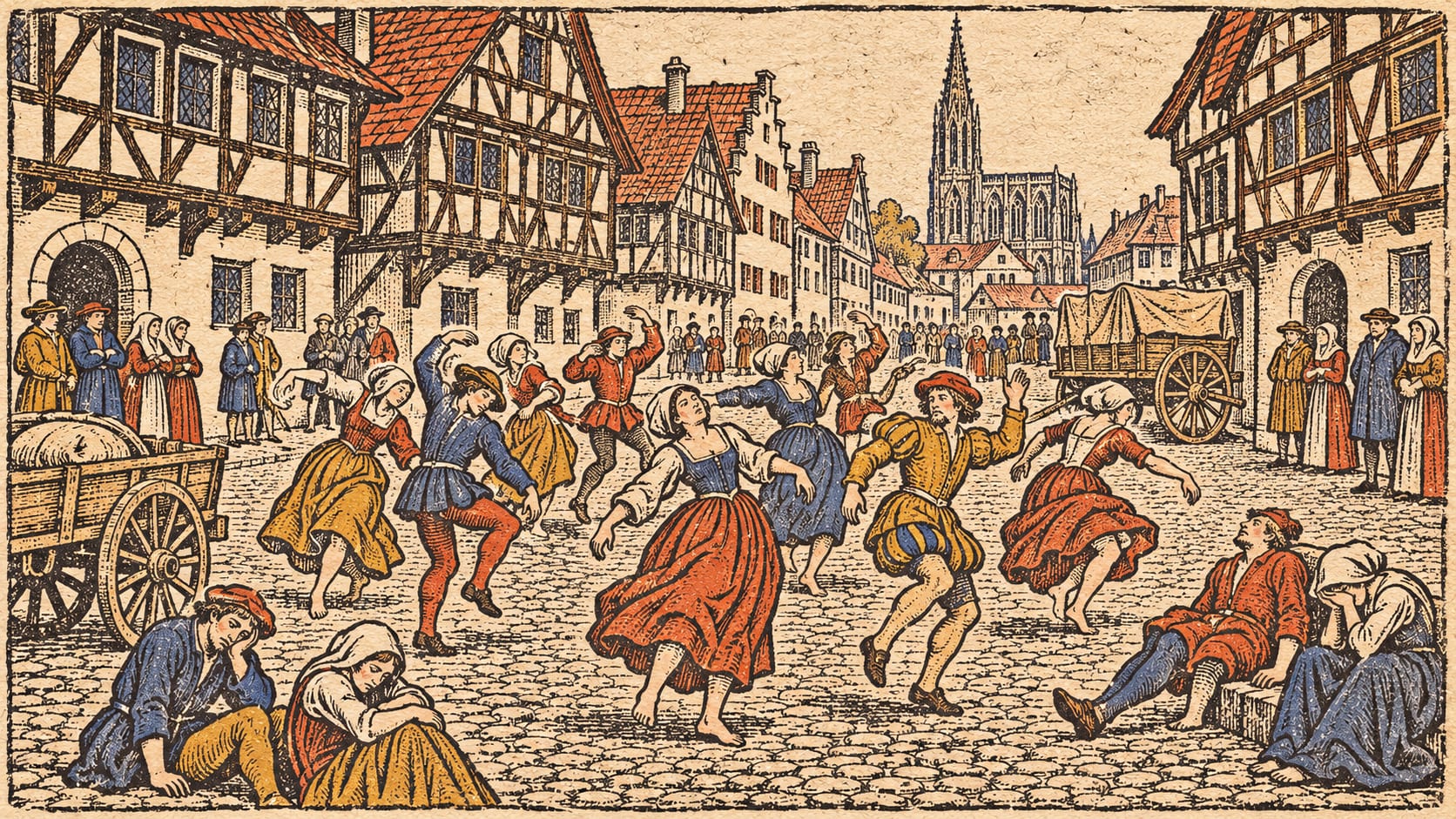
Dancing Plague of 1518: Who Danced in Strasbourg and Why
In July 1518, people in Strasbourg danced for days. The city called doctors, sent dancers to a shrine and banned public dancing. The death toll is unknown.
 Mysteries and the Lost
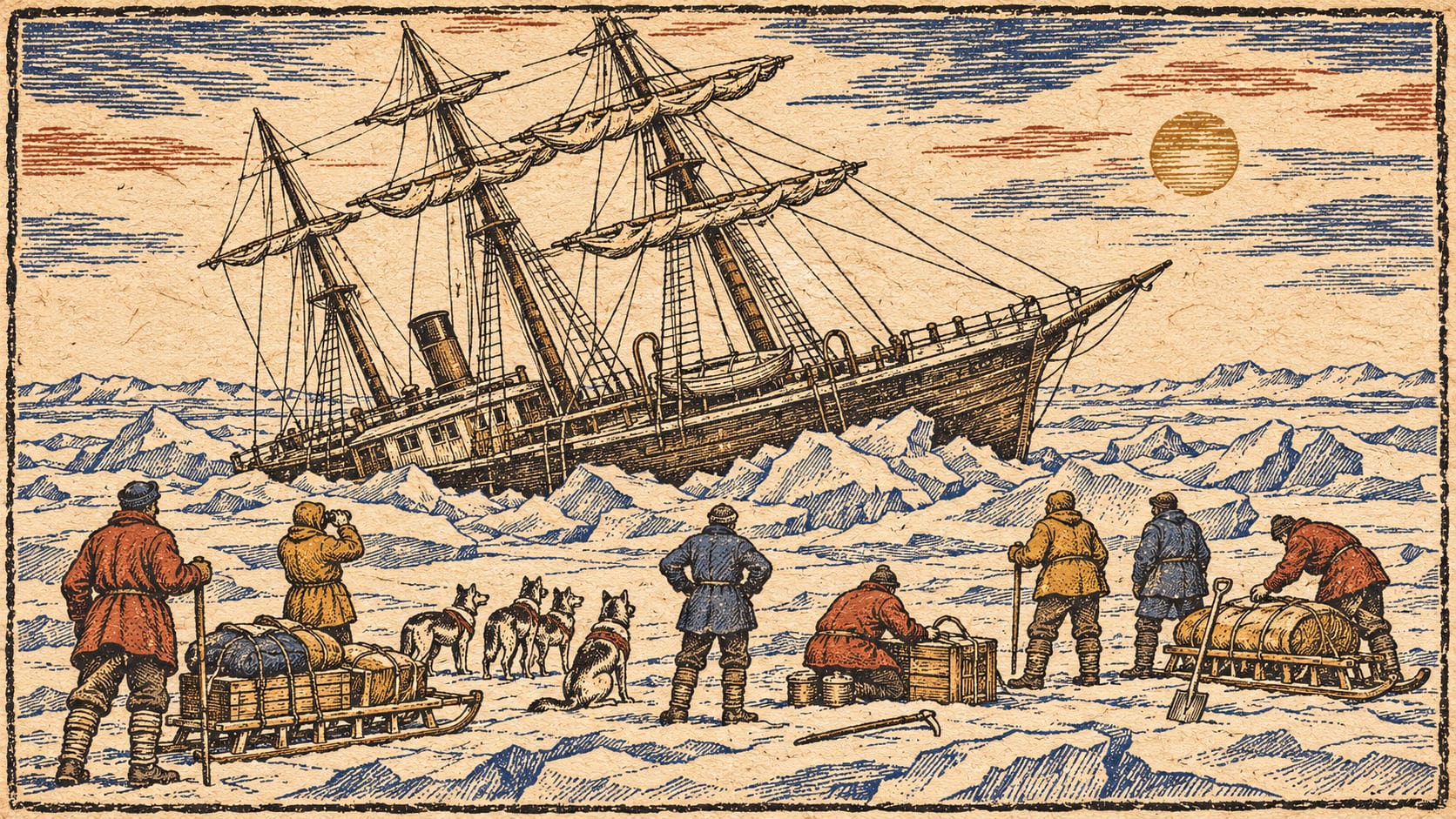
Shackleton's Endurance Expedition: How All 28 Men Survived
Shackleton's Endurance sank on 21 November 1915, yet all 28 men of the Weddell Sea party lived. Follow the boat voyage, the rescue and the 2022 wreck find.
 Mysteries and the Lost
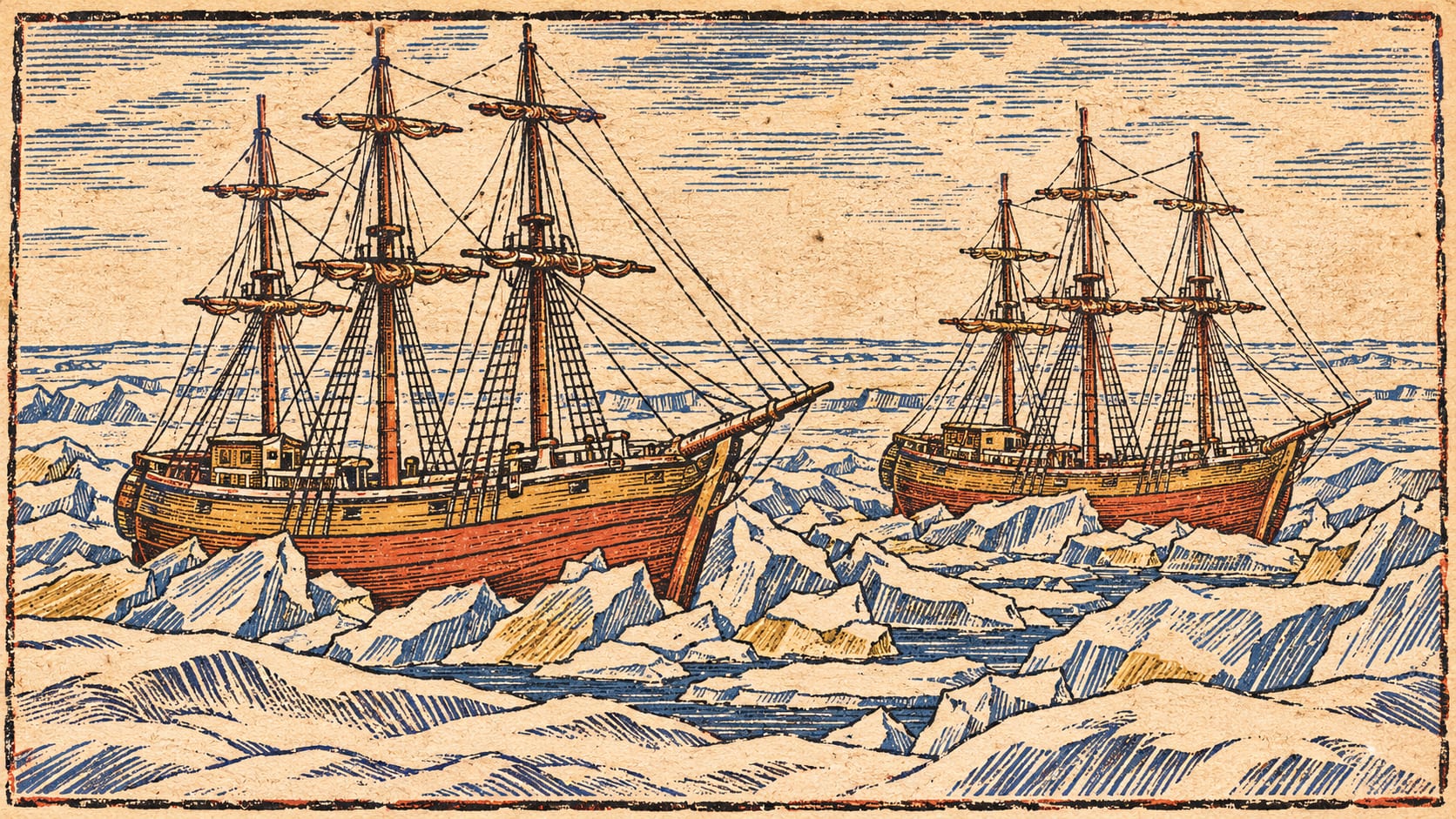
Franklin Expedition: What Happened to the Lost Ships and Crews
Sir John Franklin sailed in May 1845 with 134 men on HMS Erebus and Terror. See what the Victory Point note said and how Inuit knowledge led to both wrecks.
 Mysteries and the Lost
Mary Celeste Mystery: What We Know About the Missing Ten
The Mary Celeste was found adrift on 4 December 1872 with no one aboard. See her condition, the Gibraltar inquiry, six theories and the breakfast legend.
 Mysteries and the Lost
Lost Colony of Roanoke: What the Word CROATOAN Tells Us
The Roanoke colony of 1587 vanished before John White returned in 1590, leaving only CRO and CROATOAN carved at the site. Here are the clues and the theories.
Accidental Inventions
 Accidental Inventions
How Saccharin Was Found: Fahlberg, Remsen and a Sweet Taste
Saccharin came from a sweet taste Constantin Fahlberg noticed in Ira Remsen's Johns Hopkins lab in 1879. Remsen shared the paper; Fahlberg patented the process.
 Accidental Inventions
How Velcro Was Invented: A Swiss Walk, Burrs and Nylon Hooks
Georges de Mestral spent about ten years turning burrs on his trousers into Velcro. See how nylon hooks were made, where the name comes from, and what NASA did.
 Accidental Inventions
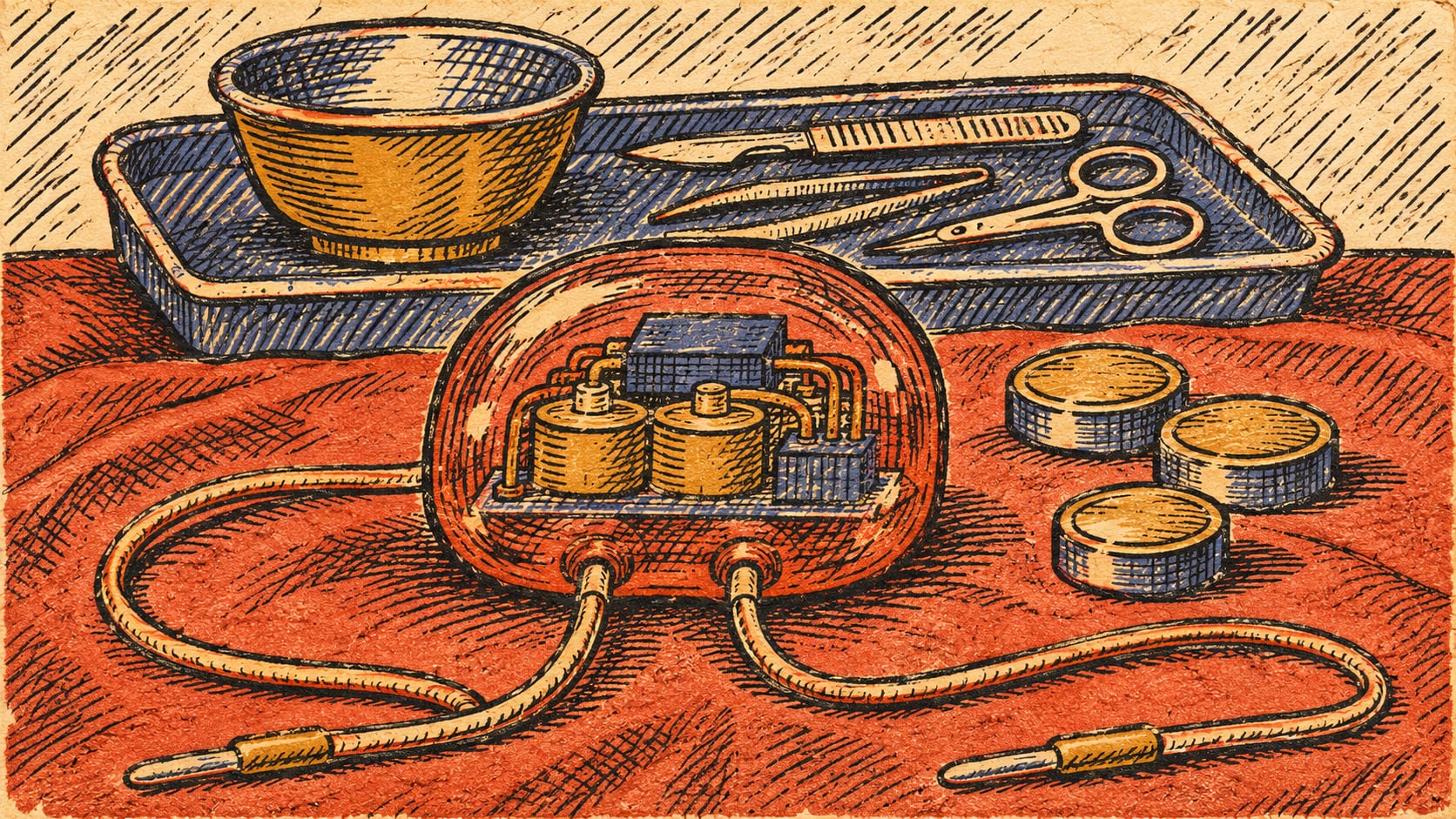
Who Invented the Pacemaker? Hyman, Zoll, Elmqvist and More
The pacemaker had many builders. See what Hyman, Zoll, Bakken and Greatbatch built, and who made the fully implanted device Arne Larsson received in 1958.
 Accidental Inventions
How the Microwave Was Invented: Percy Spencer and Radar
Percy Spencer filed his microwave cooking patent on 8 October 1945. See the radar tube, the candy bar story, the 1947 Radarange and the 1967 countertop oven.
 Accidental Inventions
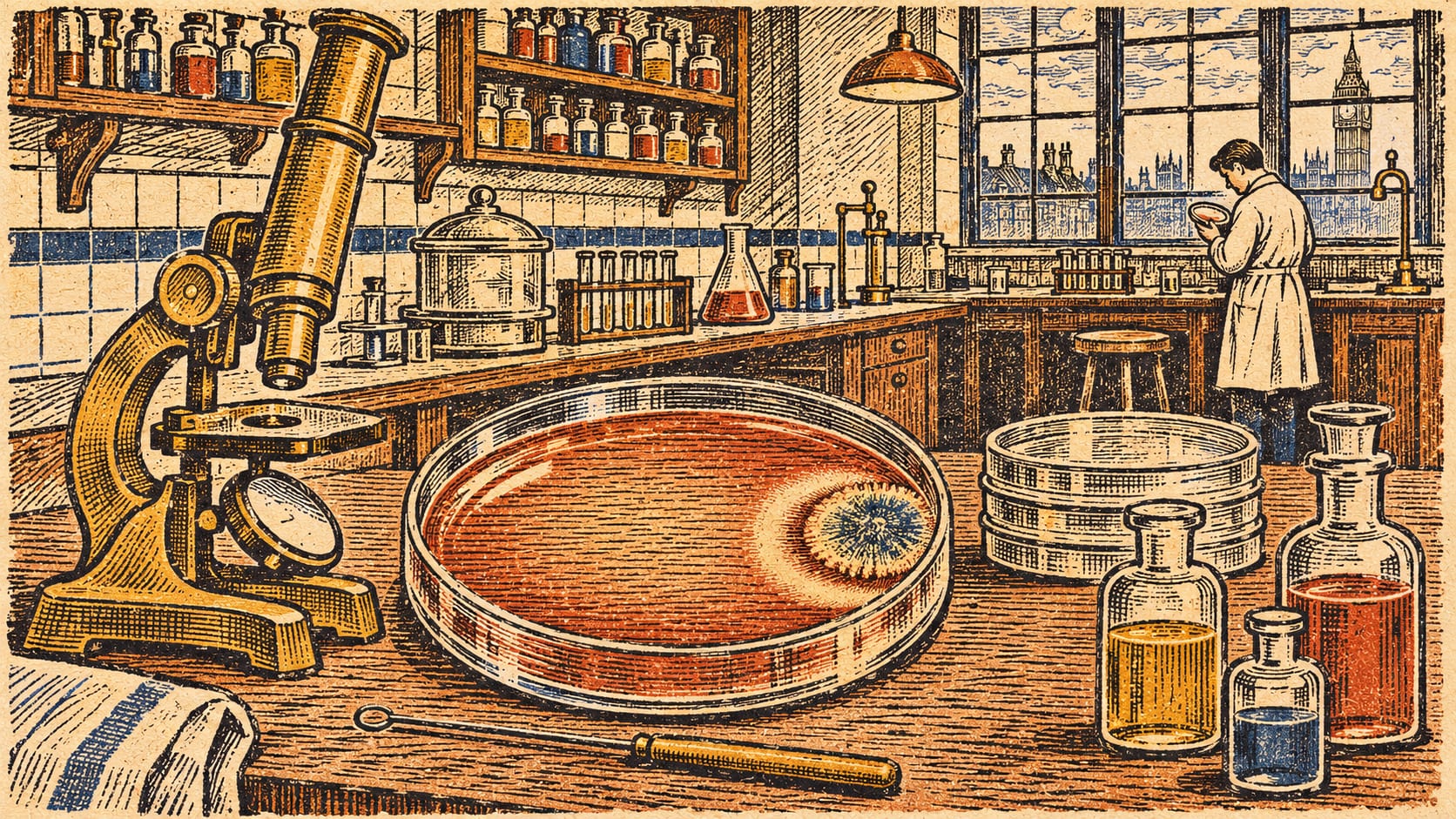
How Penicillin Was Found: Fleming, Florey and the Oxford Team
Fleming saw the mould in 1928. Florey, Chain and Heatley at Oxford tested it on a patient in 1941. See who did what, from the culture plate to the Nobel Prize.
The Ancient World
 The Ancient World
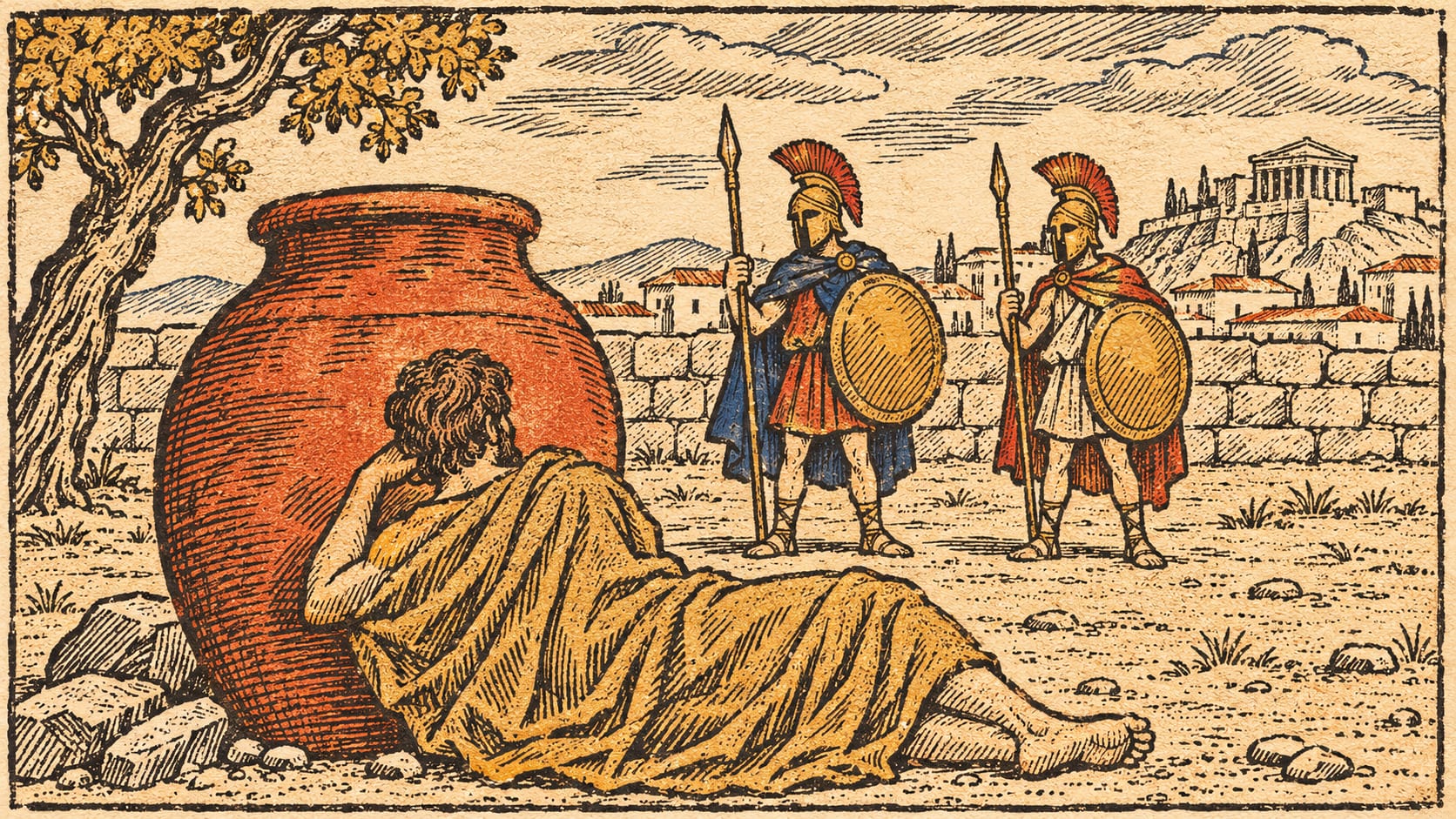
Diogenes and Alexander the Great: The Story of the Sun Reply
Diogenes asked Alexander the Great to stand out of his sun. Four ancient writers tell it, none alive at the time. Read each version, the jar, and his death.
 The Ancient World
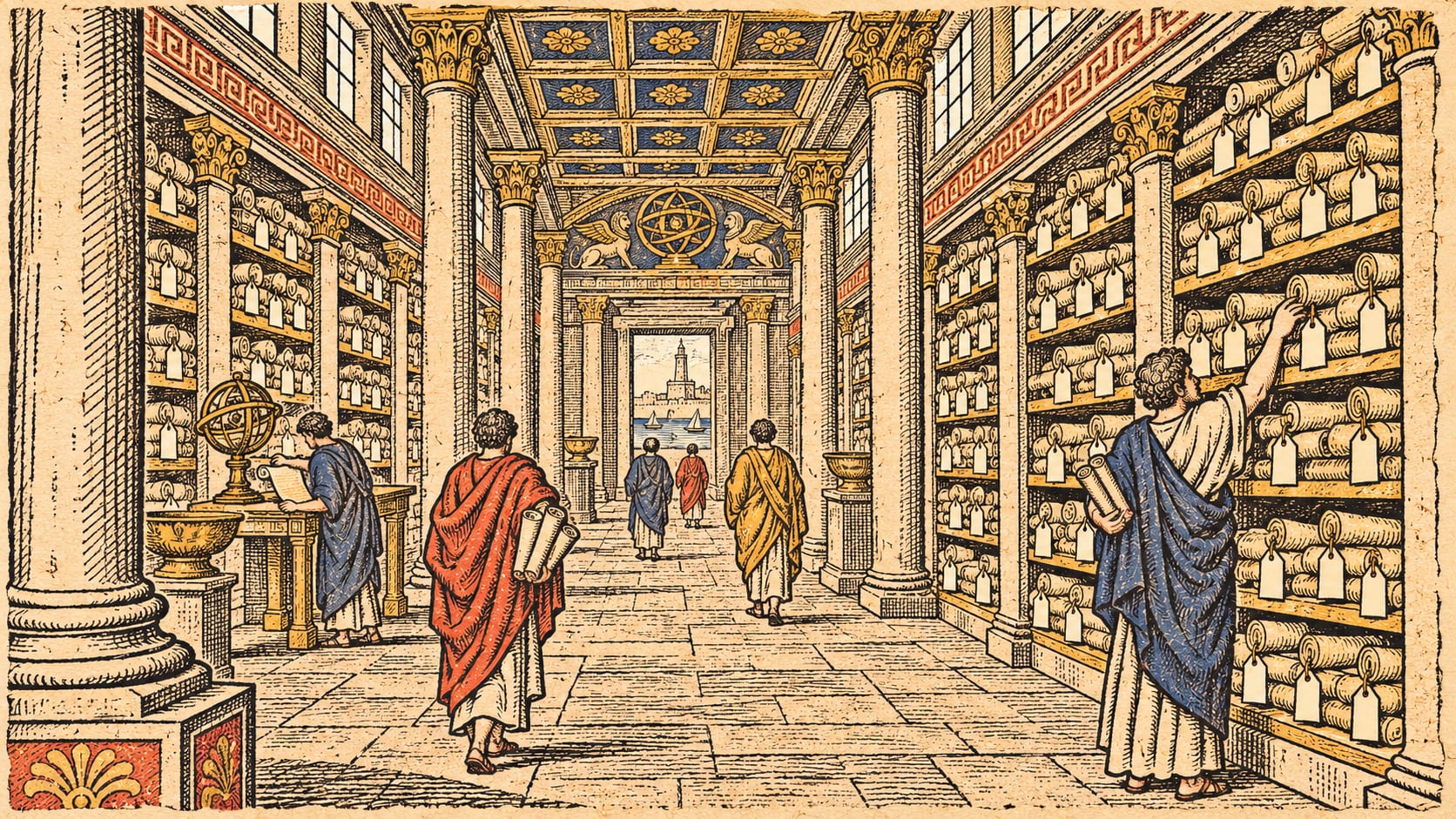
What Happened to the Library of Alexandria: A Chain of Losses
The Library of Alexandria was lost in stages: a harbor fire in 48 BCE, war around 272 CE, the Serapeum in 391 CE. Learn what burned and what is a legend.
 The Ancient World
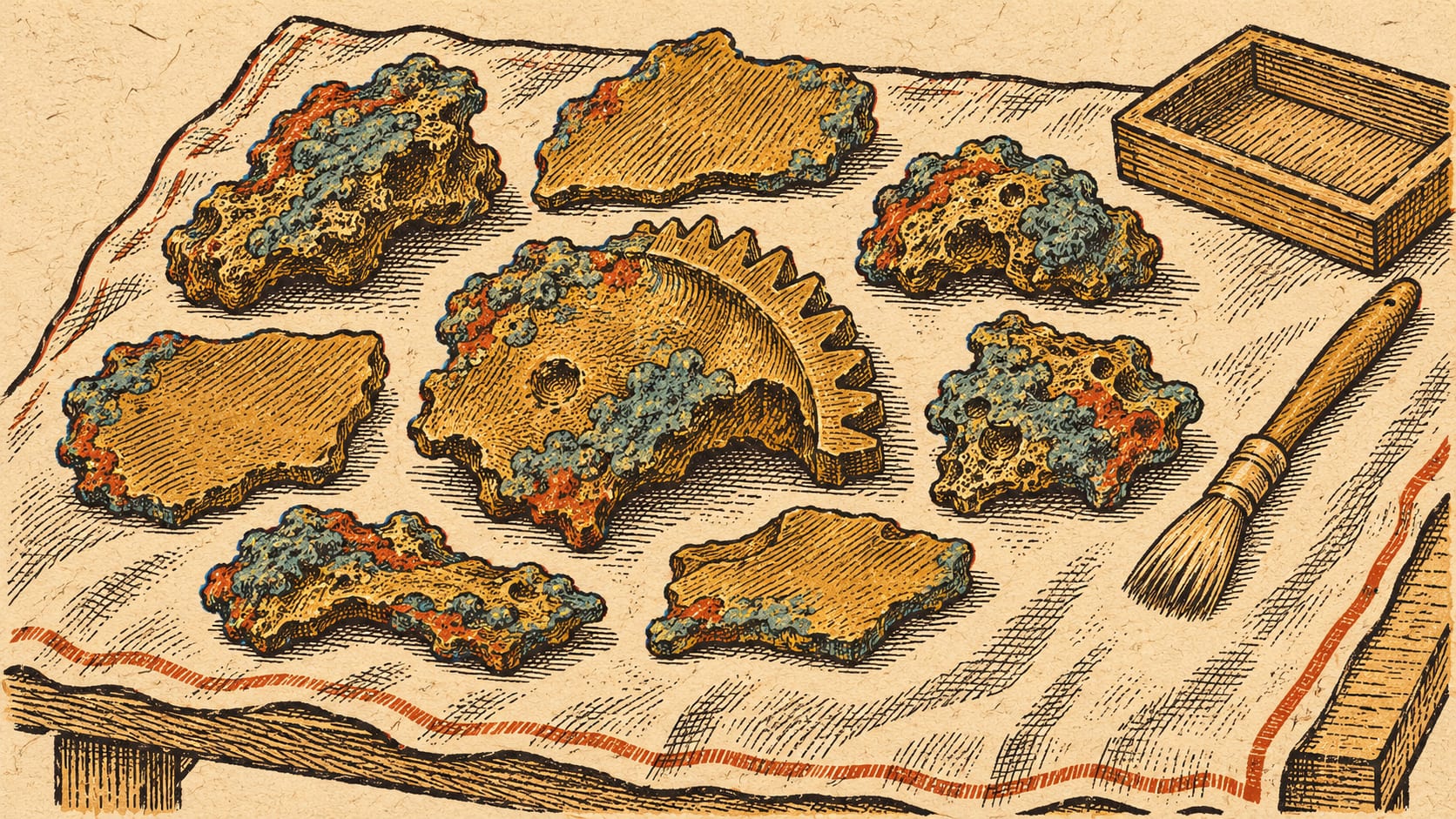
Antikythera Mechanism: The Ancient Greek Geared Calculator
The Antikythera Mechanism is an ancient Greek geared calculator found in a shipwreck in 1900. See what its gears did, how old it is, and who may have made it.
 The Ancient World
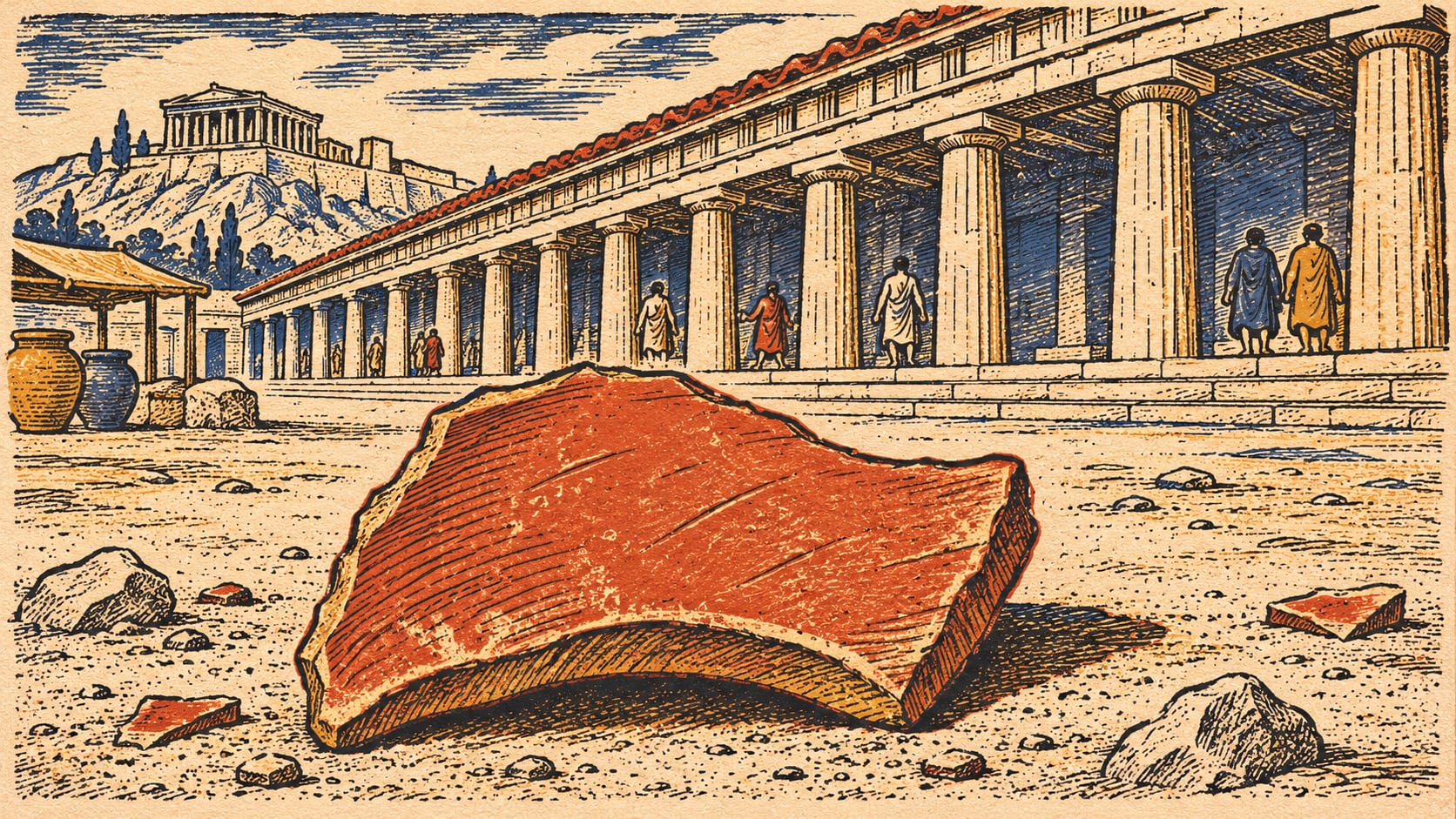
Cleisthenes and Ostracism: How Athens Voted Out Its Leaders
Athenians could vote a man into ten years of exile by writing his name on broken pottery. See how the law worked, who was ostracised, and what survives.
 The Ancient World
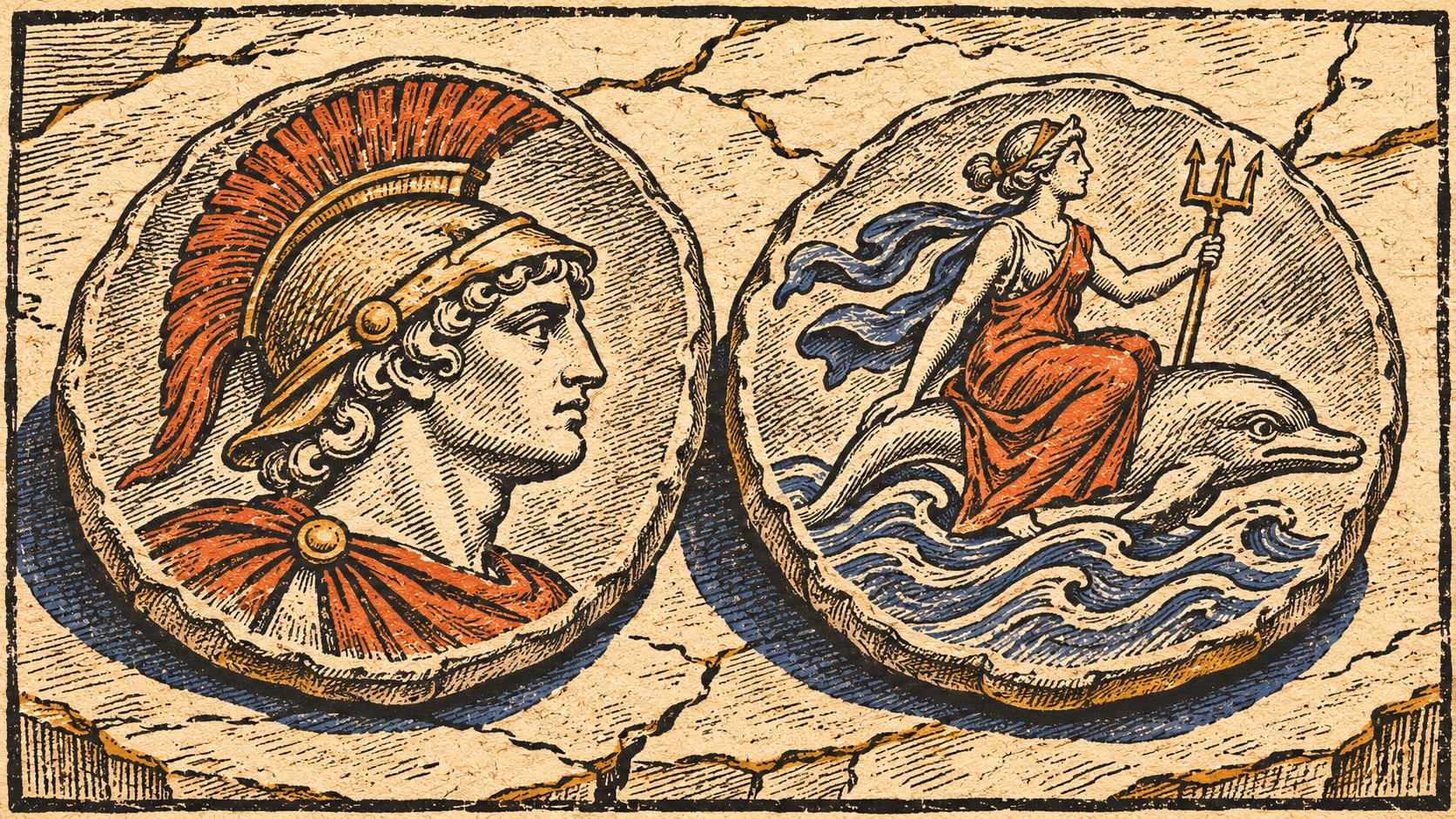
Pyrrhus and the Pyrrhic Victory: The Battle of Asculum, 279 BC
King Pyrrhus beat Rome at Heraclea and Asculum, yet lost the war. See what he said, the ancient casualty estimates, and when the phrase reached English.
Words with a History
 Words with a History
Why Do Pilots Say Mayday? The 1923 Croydon Airport Answer
Mayday comes from French m'aider, 'help me'. Croydon Airport history credits radio officer Stanley Mockford with the 1923 coinage. See how it spread in 1927.
 Words with a History
Where Quarantine Comes From: Dubrovnik, Venice and 40 Days
Quarantine comes from the Italian for forty days. Ragusa (Dubrovnik) ordered 30 days of isolation in 1377; Venice later made it 40. See how the rule spread.
 Words with a History
Why Is It Called a Sandwich? The Earl, the Town and Gibbon
The sandwich is named for John Montagu, 4th Earl of Sandwich. See where the name came from, what Gibbon wrote in 1762, and what to make of the card-table tale.
 Words with a History
Where the Word Boycott Comes From: Captain Boycott, 1880
The word boycott comes from Captain Charles Boycott, a Mayo land agent whom local people shunned in 1880. See who coined it, how it worked and how it spread.
 Words with a History
Where Does OK Come From? The Boston Joke That Went Global
The earliest known printed O.K. ran in a Boston paper on 23 March 1839, a joke spelling. See how Van Buren, the telegraph and a slang dictionary spread it.
Deals and Decisions
 Deals and Decisions
Why Washington DC Is Not a State: From 1783 Mutiny to 2021
Washington DC is not a state because the Constitution set aside a federal district for the capital, an idea sharpened in 1783. See the votes since then.
 Deals and Decisions
Louisiana Purchase 1803: Why Napoleon Sold and What It Cost
Napoleon sold Louisiana to the United States on 30 April 1803 for $15 million, about 3 cents an acre. See why he sold and who already lived on the land.
 Deals and Decisions
Why Prohibition Happened: How the US Banned Alcohol in 1920
Prohibition began 17 January 1920 after decades of temperance work, a world war and a constitutional amendment. See why it came, what it did, and why it ended.
 Deals and Decisions
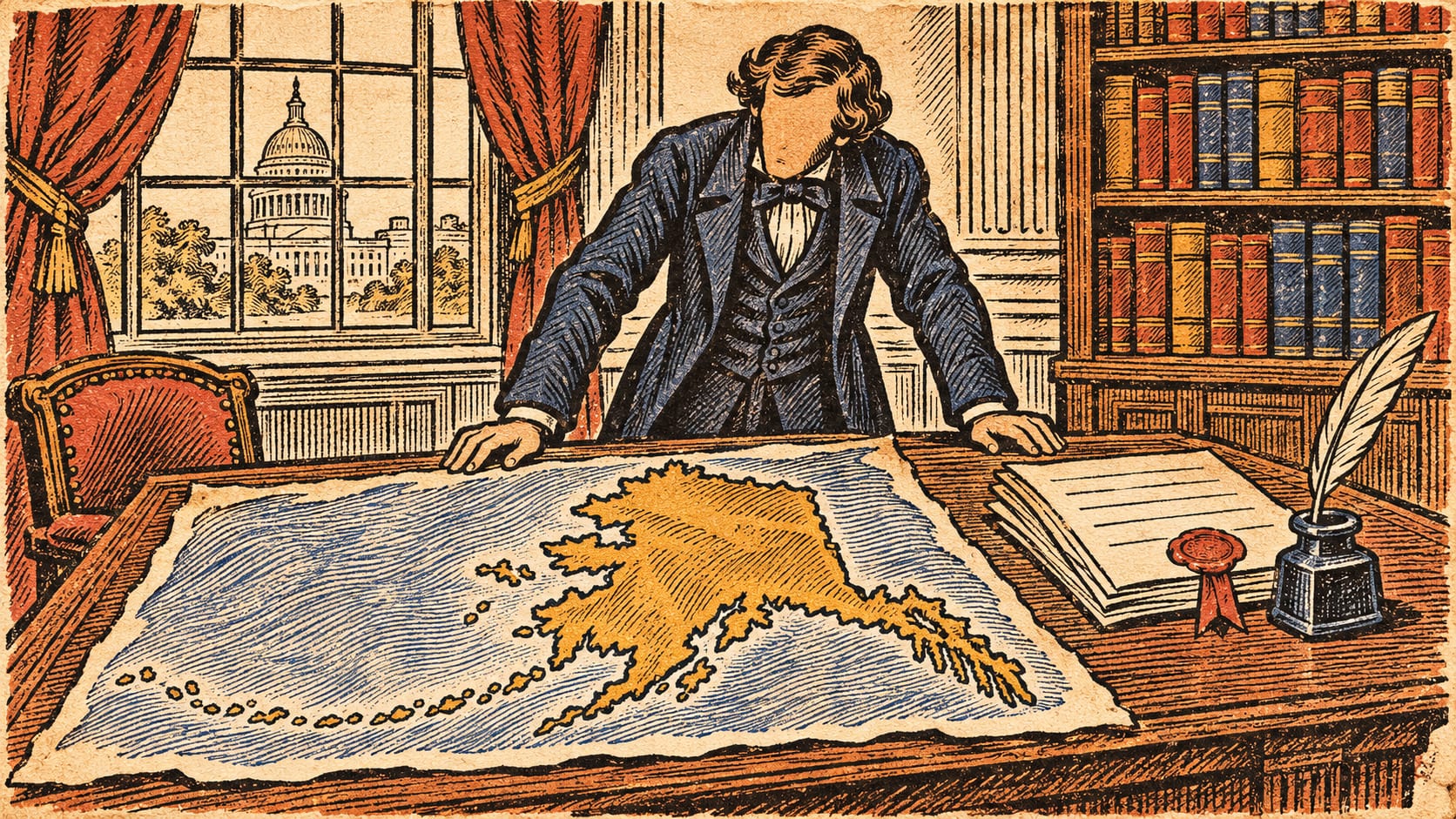
Seward's Folly: Why Russia Sold Alaska to the US in 1867
Russia sold Alaska to the United States for 7.2 million dollars in 1867. See why it sold, who mocked the deal as Seward's Folly, and when Alaska paid off.
 Deals and Decisions
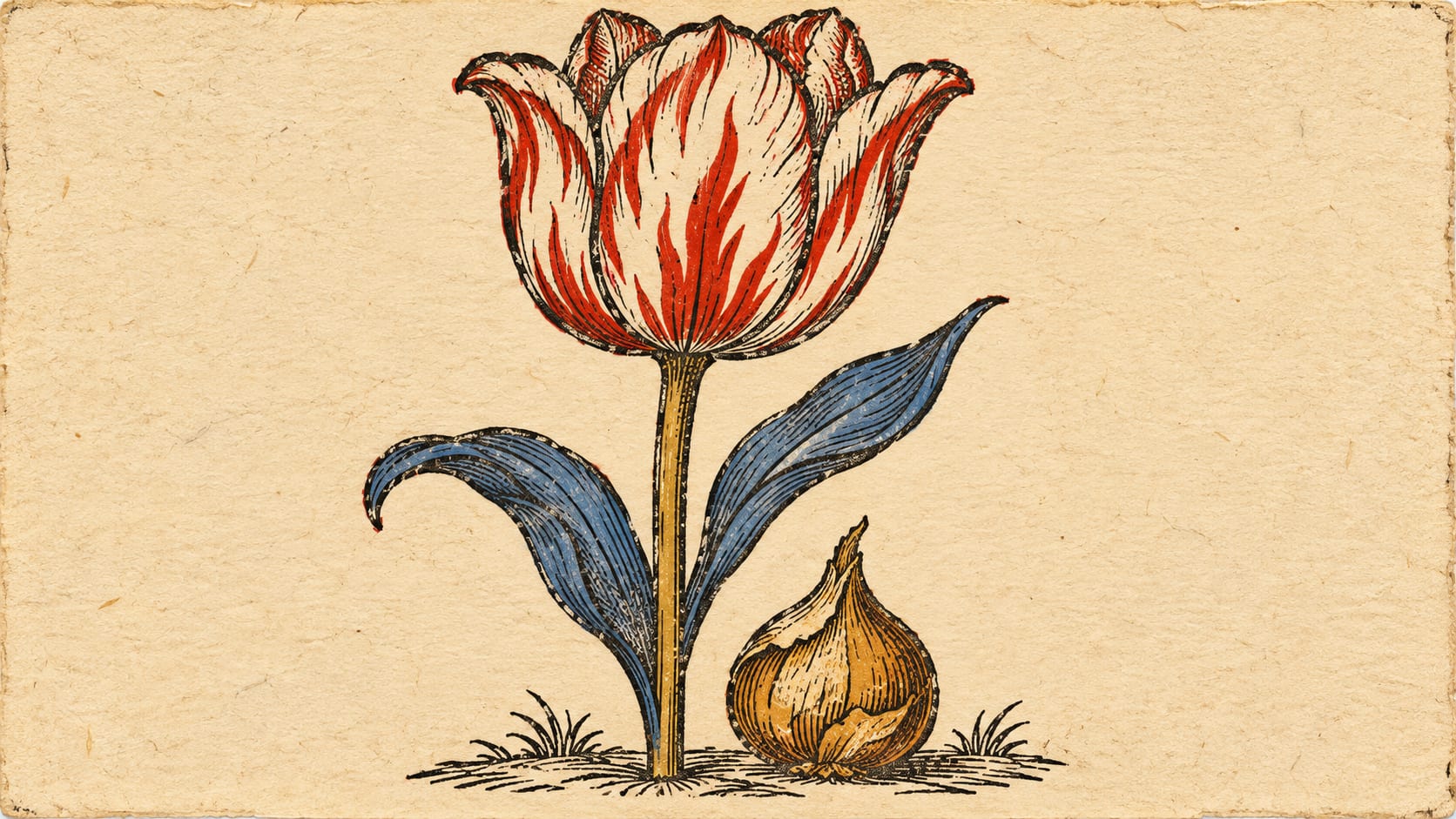
Tulip Mania 1637: Prices, the Crash, and Who Lost Money
Tulip prices broke in a Haarlem tavern on 3 February 1637. See what a rare bulb cost, who lost money, what the authorities did, and how the legend grew.