

Blog
Every story in the order it was published, newest first.
 Strange Wars
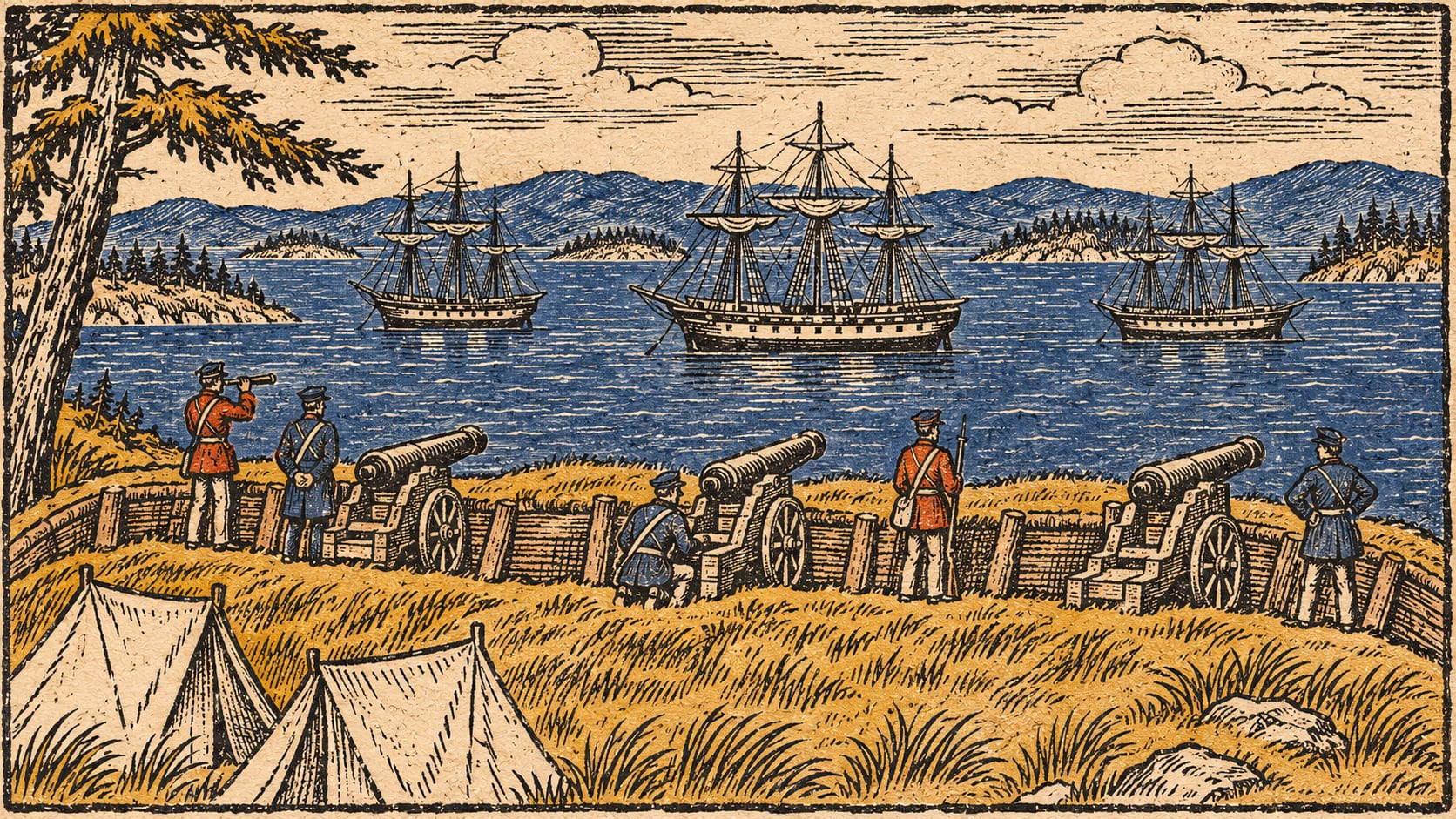
Pig War of 1859: How a Pig Nearly Started a War, and Who Won
A settler shot a pig on San Juan Island on 15 June 1859, and troops and warships followed. See who was there, who died, how it ended in 1872, and what remains.
 City Life and Public Health
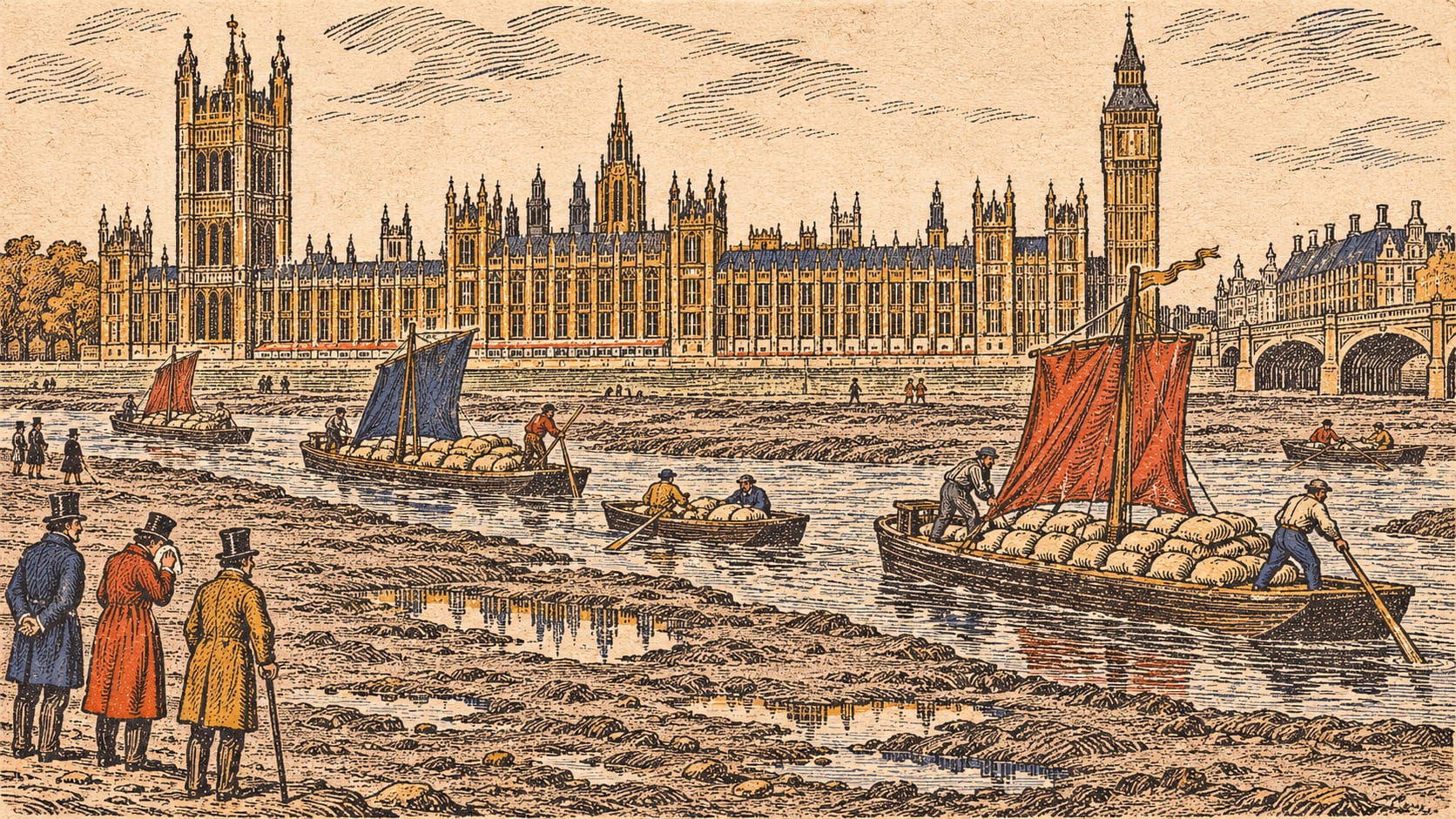
Great Stink of London 1858: Why Parliament Built Sewers
London's Great Stink of summer 1858 pushed Parliament to pass a sewer law in weeks. See what the smell did, who Bazalgette was, and what his sewers still do.
 Disasters
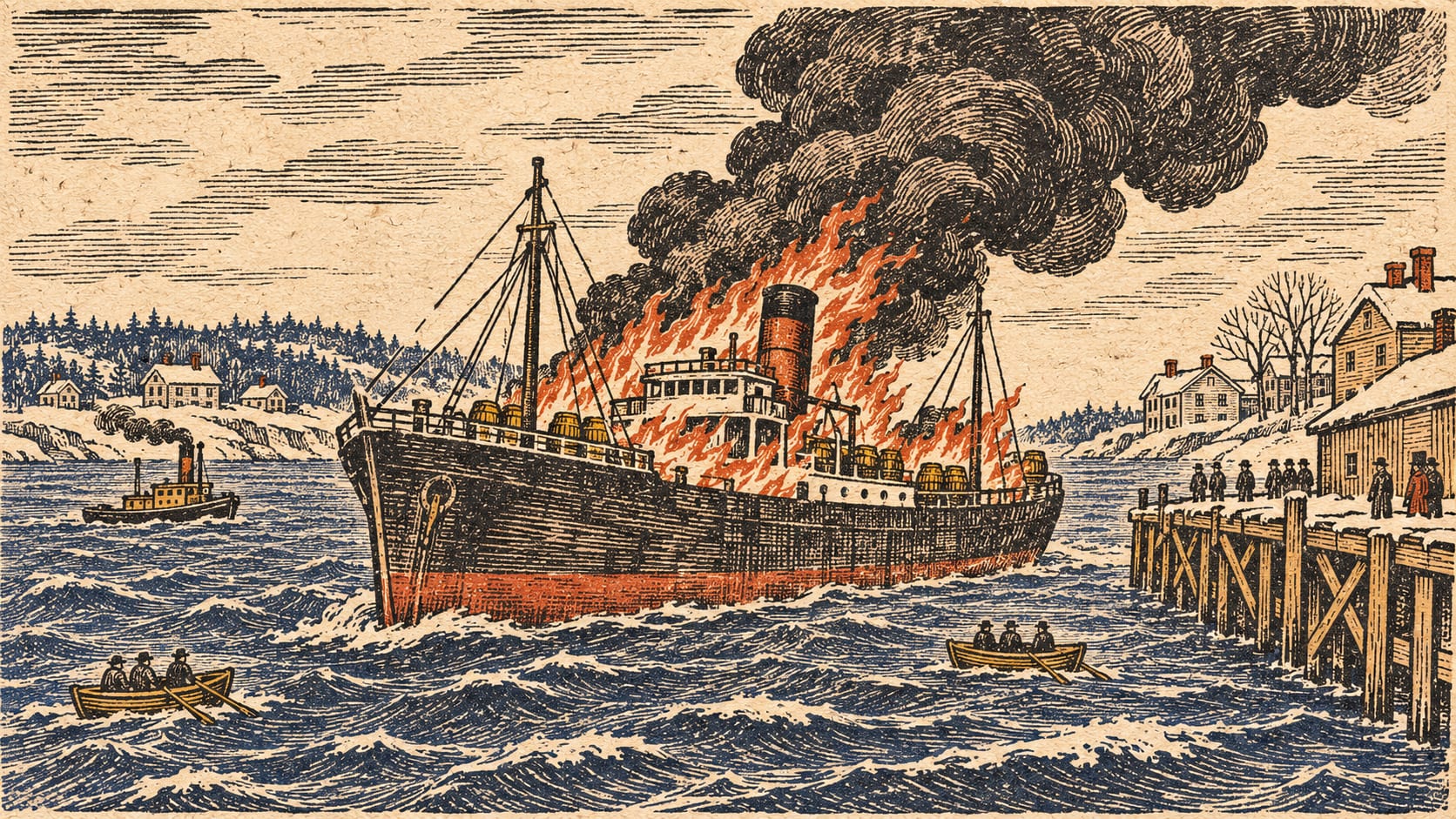
Halifax Explosion 1917: What Happened and How Many Died
The Halifax Explosion of 6 December 1917 left 1,782 known dead. See how two ships collided, what the blast did, who came to help, and what changed after.
 Calendars and Time
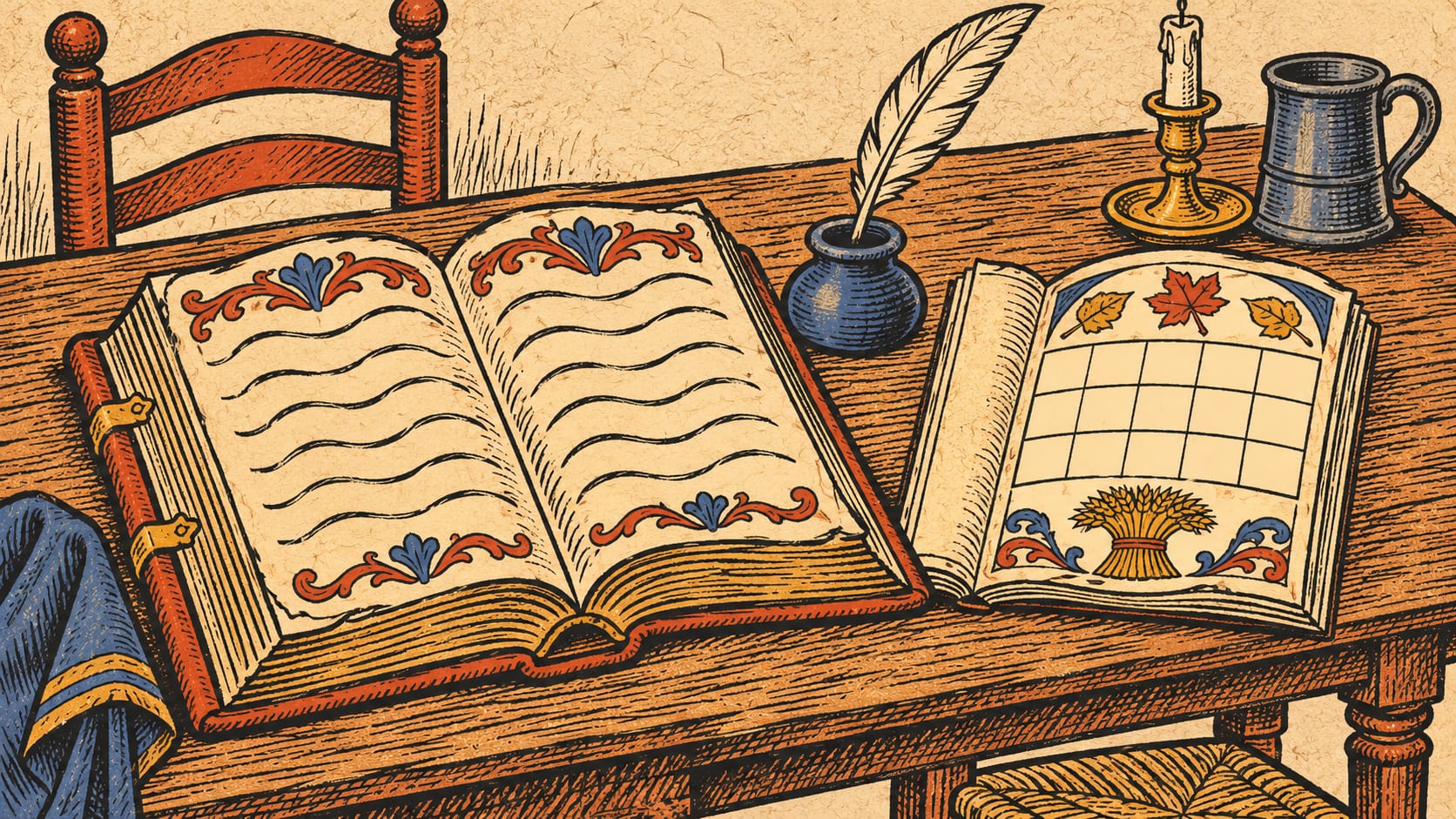
Why George Washington Has Two Birthdays: The Calendar Switch
George Washington was born 11 February 1731 by the old calendar. See how Britain's 1752 switch moved it to 22 February 1732, and why we mark it on a Monday.
 Deals and Decisions
Tulip Mania 1637: Prices, the Crash, and Who Lost Money
Tulip prices broke in a Haarlem tavern on 3 February 1637. See what a rare bulb cost, who lost money, what the authorities did, and how the legend grew.
 Words with a History
Where Does OK Come From? The Boston Joke That Went Global
The earliest known printed O.K. ran in a Boston paper on 23 March 1839, a joke spelling. See how Van Buren, the telegraph and a slang dictionary spread it.
 The Ancient World
Pyrrhus and the Pyrrhic Victory: The Battle of Asculum, 279 BC
King Pyrrhus beat Rome at Heraclea and Asculum, yet lost the war. See what he said, the ancient casualty estimates, and when the phrase reached English.
 Accidental Inventions
How Penicillin Was Found: Fleming, Florey and the Oxford Team
Fleming saw the mould in 1928. Florey, Chain and Heatley at Oxford tested it on a patient in 1941. See who did what, from the culture plate to the Nobel Prize.
 Mysteries and the Lost
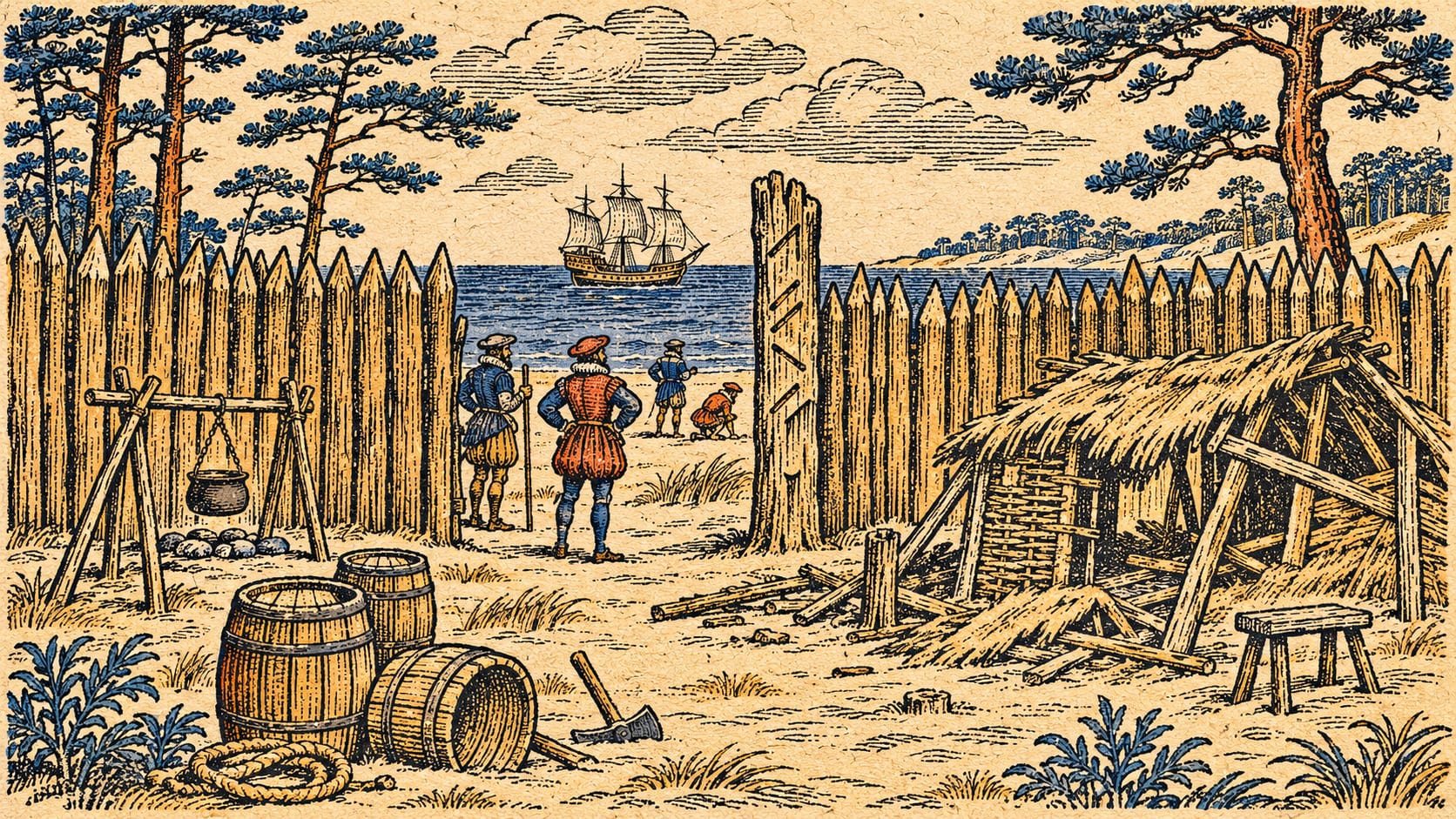
Lost Colony of Roanoke: What the Word CROATOAN Tells Us
The Roanoke colony of 1587 vanished before John White returned in 1590, leaving only CRO and CROATOAN carved at the site. Here are the clues and the theories.